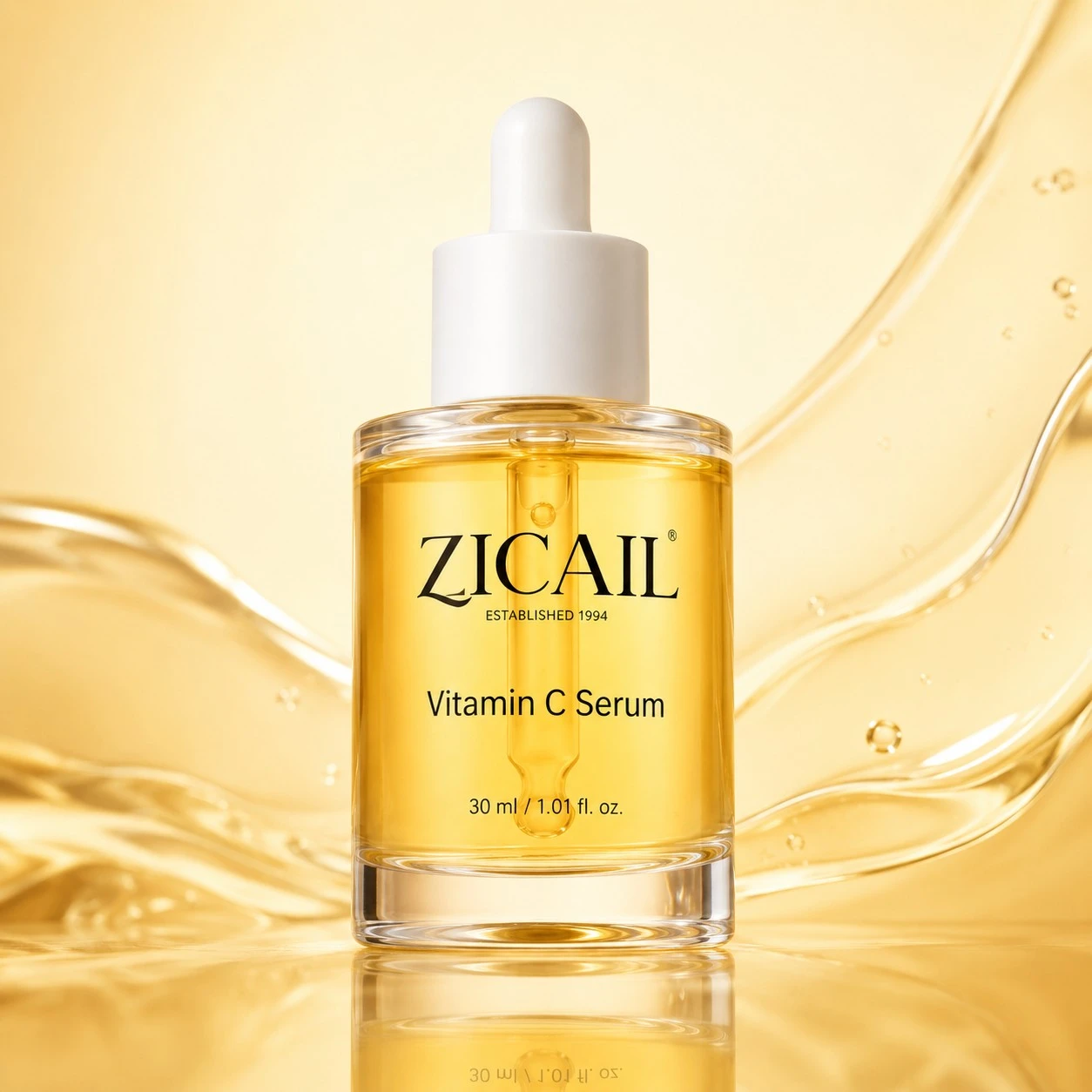
30 mL
Clear Glass Dropper
A clear glass bottle with a forest green dropper. Compare pickup, drop release and residual serum using the selected formula.

Private Label · OEM / ODM · Custom Formulation
Develop a hyaluronic acid serum around the texture, dispensing experience and hydration positioning your brand needs. ZICAIL supports formula sampling, packaging development and finished-product manufacturing for private label and OEM / ODM projects.
Bring your target market, benchmark and proposed pack. Define the HA system, evaluate the complete serum and approve the working formula and packaging before production.
For skincare brands, distributors and private label buyers.
Final minimum depends on the formula, packaging and customization.
After the brief is agreed; custom development and revisions may take longer.
After carton specifications and artwork approval.
After production approval and required components are ready; shipping is additional.
These are project planning references. Testing, validation and sample revisions are scheduled separately from initial sample preparation.
Product and Packaging Concepts
Compare four container directions, a trial-size combination and a retail carton presentation. Select the working pack alongside the formula.
30 mL
A clear glass bottle with a forest green dropper. Compare pickup, drop release and residual serum using the selected formula.
30 mL
A glass pump presentation with a separate protective cap. Confirm the dose, return action and use experience with the actual pack.
30 mL
An opaque airless packaging direction. Review priming, dispensing and evacuation rather than assuming the format suits every texture.
30 mL
A frosted glass presentation with an ivory dropper. Coordinate decoration and dispensing around the approved serum sample.
30 mL + 10 mL
A coordinated retail and trial format. Approve the smaller pack separately for its dose, closure and artwork.
30 mL
A bottle and fitted retail carton concept. Confirm the final dieline, insert and transport protection with physical samples.
These images illustrate packaging concepts, rather than six independently validated formulas. Final materials, sizes, decoration and formula appearance depend on the approved project.
Choose Your Development Route
Choose a scope that fits the formula work, packaging work and market preparation your project still needs.
Start from an available formula direction. Evaluate the sample, choose packaging and confirm the artwork, claims and manufacturing specification.
Explore Private Label
Develop or manufacture around your brief, reference sample or agreed specifications. Confirm formula ownership, technical inputs and the scope of responsibility before work starts.
Explore OEM / ODM
Develop the HA system and complete formula around defined texture, ingredient and market requirements. Refine sample versions against the agreed evaluation priorities.
Explore Custom FormulationBuild a Useful Development Brief
Set the decisions that change the sample, packaging and evaluation plan before comparing quotations.
Define the intended routine, skin-feel target, market and price positioning. Distinguish a concentrated serum brief from a larger-format essence.
Specify the INCI, supplier-grade requirements and any molecular-weight or origin information your brief needs.
Set targets for spread, tack, stringing and dry-down. Compare representative layering combinations during sampling.
Discuss humectants, panthenol, fragrance preferences and exclusions alongside the preservation strategy.
Choose the target fill, dropper or pump, material and retail presentation. Confirm the trial pack as its own specification.
Confirm language, directions, claim wording and required documentation for the destination market.
Ingredient Identity and Actual Content
An HA brief needs more than a headline percentage. Connect the declared ingredient, supplied raw material and intended finished-serum texture.
| Decision | What to Review | Why It Matters |
|---|---|---|
| Exact INCI | Hyaluronic Acid, Sodium Hyaluronate or another specifically selected HA ingredient. | Use the correct ingredient identity and supplier specification; do not substitute a marketing name for the ingredient declaration. |
| Supplied Form | Powder, solution or blend, with its documented composition and HA content. | A raw-material addition percentage is not necessarily the actual HA percentage in the finished serum. |
| Molecular-Weight Direction | Supplier grade data and the role of any proposed combination. | Compare the complete formula for flow and after-feel; the lowest molecular weight is not an automatic product target. |
| Complete Formula | Other humectants, thickeners, supporting ingredients and preservation. | Serum performance and dispensing depend on the whole system, rather than HA alone. |
For a solution or blend, document the supplied HA content and the formula addition level before calculating a concentration claim. Confirm the basis and any analytical requirements with the project team.
Raw Materials and Production Water
Review the selected HA grade and the other materials that determine the serum’s quality and reproducibility.
Texture, Tack and Layering
Compare samples at a defined dose and application method, so a thicker sample is not mistaken for a better hydrating serum.
Sensory assessment helps refine the sample. Instrumental hydration claims require their own appropriate evaluation.
Stability and Formula Validation
Agree the storage plan, test methods and acceptance criteria for the selected formula and its intended packaging.
Bottle and Dispensing Compatibility
Evaluate the actual serum with the intended bottle, applicator and contact materials before approving the packaging.
An airless format does not by itself establish zero oxygen exposure or zero contamination.
Claims and Evidence
Decide what the final label will say before setting the evaluation scope. Keep ingredient support distinct from evidence for your finished serum.
Define the proposed hydration claim, time points and relevant finished-product method. Do not transfer another formula’s hydration duration to this project.
Discuss sensitive-skin positioning and the intended user group before selecting an appropriate evaluation. Avoid blanket suitability promises.
Translate terms such as lightweight, non-sticky or easy to layer into an agreed comparison or assessment. Keep the wording within the available evidence.
A topical cosmetic serum should not be described as an injectable filler or as replacing an aesthetic procedure. Confirm claim wording for the target market.
Sample Approval and Commercial Specification
Lock the details that purchasing, production and quality teams will use, rather than approving a photograph alone.
Bulk Preparation and Filling
Use the approved formula and manufacturing instructions to connect material preparation, bulk handling and filling.
Approved Reference and Batch Consistency
Use the retained reference and agreed methods to review the production sample under comparable conditions.
A visual comparison or pH reading alone does not prove equal HA content, molecular-weight distribution or hydration efficacy.
Finished Product Inspection and Batch Review
Define the checks and documentation needed for the batch decision. A closed finished bottle is only one part of the review.
Retail Packing and Delivery Preparation
Coordinate the retail pack and shipping configuration around the selected small serum bottle, rather than treating the carton as decoration alone.
Certificates and Project Documents
Request the current factory documents and confirm which formulation, evaluation and batch information is included in your project.
Agree the ingredient declaration, selected HA-grade information, relevant supplier documents and finished-formula specifications.
Confirm which stability, microbiological, packaging, analytical and batch documents are included, with responsibilities and costs defined.
Coordinate directions, label language and importer information for the destination market. Identify any additional regulatory work before launch.
Review current validity, scope and relevance before relying on a document. FDA facility registration does not constitute FDA approval of a facility or product.
After-Delivery Support and Repeat Orders
Maintain the approved formula, packaging and artwork versions as the starting point for feedback, replenishment and proposed changes.
Provide the lot identification, images, storage information and issue details so the relevant records and retained samples can be reviewed.
Confirm the reference formula, current packaging, artwork, quantity and required timing before the next production approval.
Review proposed ingredient, supplier, applicator, decoration or market changes before substitution. Confirm whether samples, testing or document updates are needed.
Hyaluronic Acid Serum FAQ
Clarify the ingredient system, sample target, packaging and evidence your project requires.
They are related, but the names are not interchangeable in an ingredient declaration. Sodium Hyaluronate is the sodium salt of hyaluronic acid. Confirm the exact INCI, supplier grade, molecular-weight information and supplied strength before comparing formulas.
No single percentage defines the right serum. An HA solution or blend may contain water and other ingredients, so its addition level is different from the actual HA content. Agree the calculation basis, target texture and evidence for any percentage claim.
Select the grade or blend for the complete formula and intended use. Review the supplier specifications and compare the finished samples for flow, tack, appearance and performance. A molecular-weight label alone does not establish a better finished product.
These can be sample-development targets. Compare defined application amounts, dry-down time and representative moisturizer or sunscreen combinations. Refine the complete formula and pack together; compatibility with every other skincare product cannot be assumed.
Choose after testing the actual serum in the intended pack. Compare pickup or priming, dose control, stringing, residual product, closure performance and material compatibility. An airless format does not by itself establish zero oxygen exposure or zero contamination.
Panthenol, glycerin, betaine and other ingredients can be considered during development. The final combination depends on the brief, ingredient compatibility, texture, preservation and target-market requirements. Confirm the formula through samples and the agreed evaluations.
Define the exact claim and target market first, then agree the relevant finished-product evaluation. Supplier ingredient data is background support rather than automatic proof for the finished serum. Hydration duration, sensitive-skin suitability and non-sticky claims require appropriate substantiation.
The project MOQ reference is 1,000–5,000 pcs, depending on packaging and customization. Initial formula samples are typically prepared in 5–7 days after the brief is agreed. Physical carton samples take 7–10 days after specifications and artwork approval. Revisions and validation require separate scheduling.
Start Your Project
Send your target market, benchmark, desired texture, packaging and fill size, first-order quantity and launch timeline. Include any ingredient exclusions or claims you want the evaluation plan to address.
Related Products
Compare related product directions for a coordinated skincare range.

WhatsApp us
Tell us your product idea, target market, and packaging needs. Our team will help you choose a practical development path.