Daily Cleansing Direction
Gentle Cleansing Milk
A fluid milky cleanser in an ivory pump bottle. Define the cleansing feel, fragrance preference and intended users in the brief.


Private Label · OEM / ODM · Custom Formulation
Develop a cleansing milk or lotion cleanser around a flowing milky texture, the intended cleansing routine and the feel after use. ZICAIL connects formula development with bottle, tube and pump selection, sampling and commercial production. Start with an available base or share your benchmark and product brief.

Define rinse-off or wipe-off use, makeup-removal expectations and packaging early so that samples answer the questions that matter for your launch.
Formula & Packaging Directions
Compare different product briefs and packaging formats, then choose the combination that fits your range.
Daily Cleansing Direction
A fluid milky cleanser in an ivory pump bottle. Define the cleansing feel, fragrance preference and intended users in the brief.

After-Feel Direction
A pale blue pump format for a lotion cleanser developed around spread, rinse and after-feel. Confirm the evidence needed for hydration claims.

Makeup-Removal Direction
A frosted bottle with a flip cap for a makeup-removal concept. Select the makeup types and comparison method before evaluating samples.

Ingredient-Led Direction
An amber glass pump concept for an almond-led brief. Confirm ingredient identity, sourcing, odor and relevant labeling requirements.

Airless Packaging Direction
A lavender airless bottle with a protective cap. Review priming, repeated dispensing and evacuation with the chosen lotion formula.

Squeeze Packaging Direction
A sage green tube with a flip cap. Match the formula flow, opening and seal to controlled dispensing and storage.

Coordinated Size Direction
Matching ivory bottles with terracotta flip caps. Check output, labeling space and component minimums for each size.

Refill System Direction
An ivory pump bottle with a matching pouch. Review filling, pouch seals and refill instructions as a complete packaging system.
Images illustrate development directions. The final formula, claims, packaging availability and project minimum are confirmed through sampling and the commercial specification.
Three Ways to Develop Your Product
Choose the route according to what is already defined and what your team needs to develop.

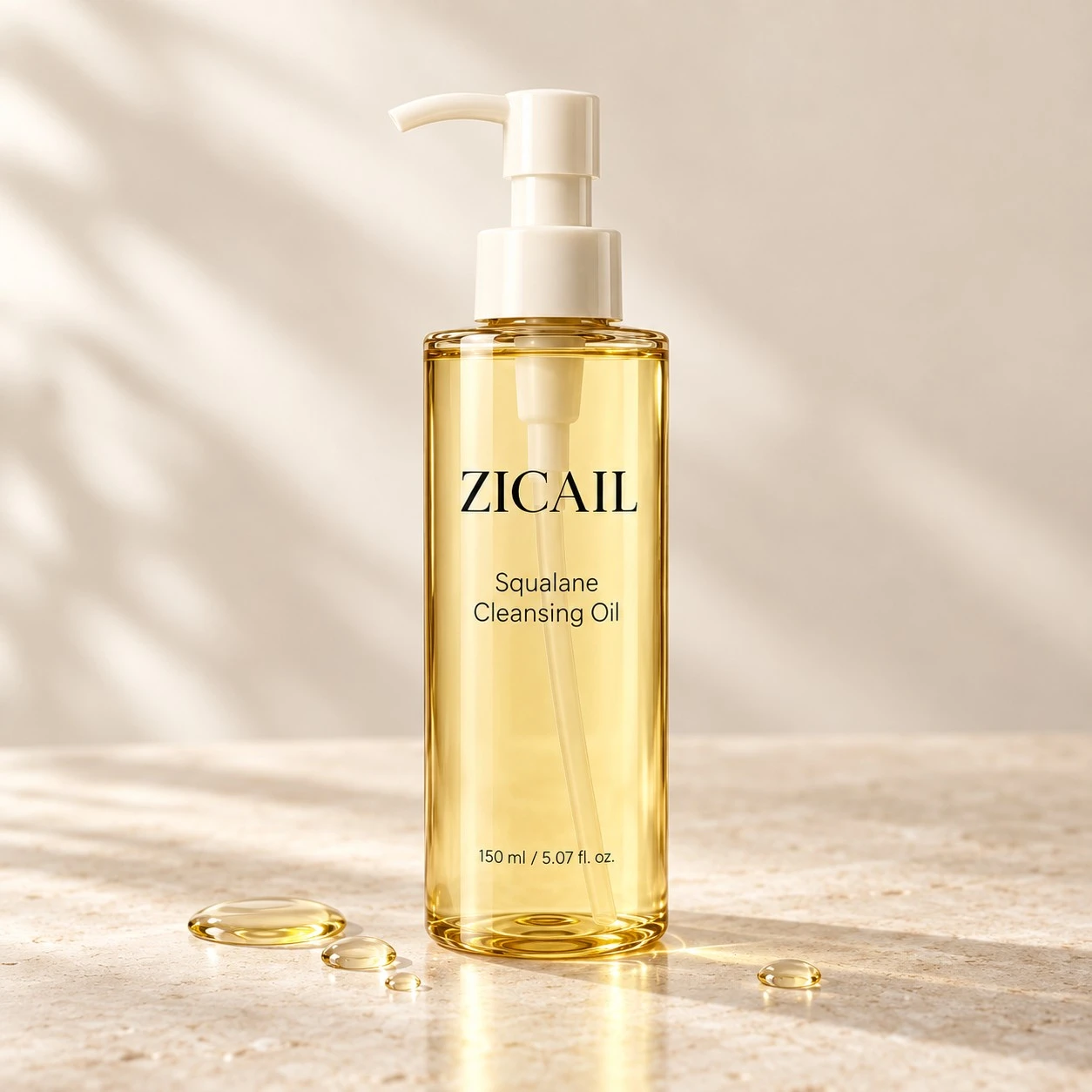
Start with an available cleansing milk base, then define the label, pack and agreed adjustments. Review a sample before confirming your branded specification.
Discuss Private Label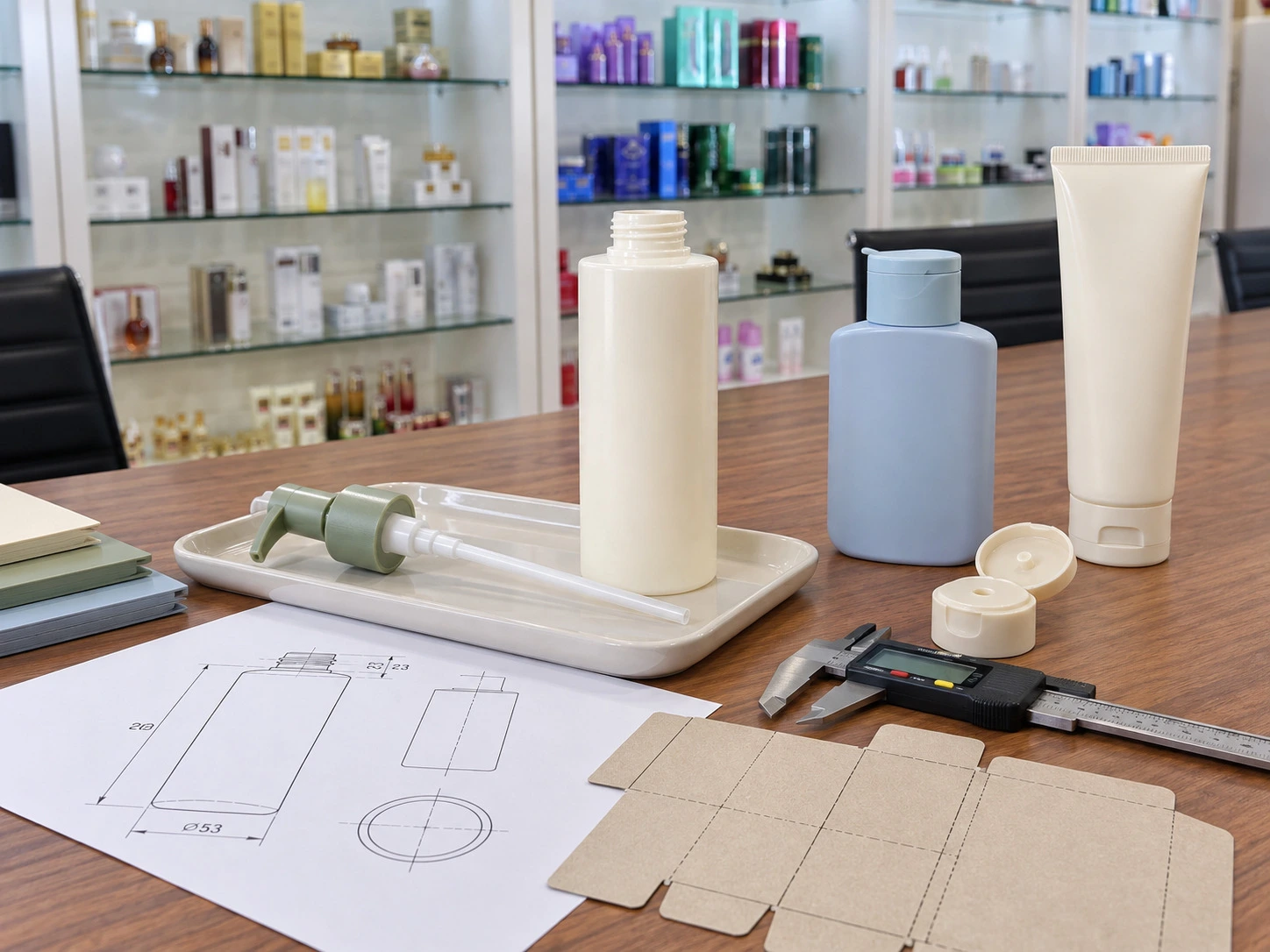
Bring your benchmark, existing specification or packaging idea. Define which formula, component and production decisions the project needs to develop or transfer.
Discuss OEM / ODM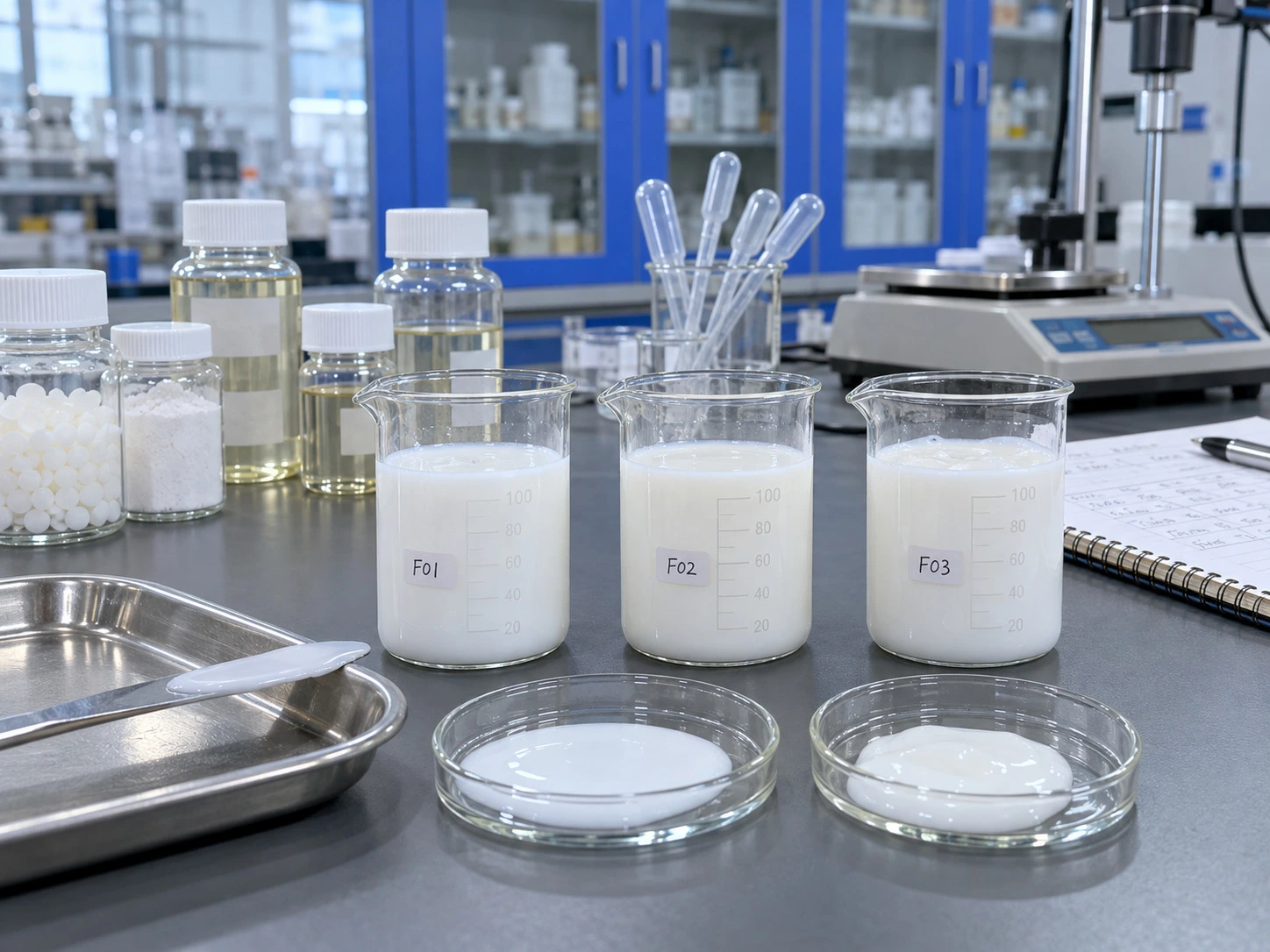
Build a brief around the desired milky flow, cleansing routine, ingredients and after-feel. Evaluate trials and agree the revision and testing scope.
Discuss Custom FormulationRaw Material Selection & Inspection
Review the surfactants, emollients, emulsifiers and supporting ingredients against the intended texture and cleansing brief.

Confirm supplier identification, batch details and relevant incoming-material documentation against the agreed purchasing specification.
Review odor, appearance and compatibility of the selected ingredients. Balance the emulsion structure with the desired cleansing, flow and after-feel.
Discuss substitutions before approval. A change in supplier or grade may require formula, stability, fragrance or labeling review.
Creamy Flow & Cleansing Experience
Evaluate how the lotion flows, spreads and behaves during cleansing and after water is added, using the same method for each trial.

Compare the initial body, slip and spread of trial samples. Record the target feel rather than relying only on how white or creamy the sample looks.
Define the makeup or soil benchmark, application amount and removal method. Review the result with the intended rinse-off or wipe-off instructions.
Compare the agreed lather level, dispersion in water, rinsing and residue. Select the preferred balance before moving to the commercial specification.
Stability & Formula Assessment
Assess the selected milk under agreed storage conditions and review periods to understand whether the formula remains within its specification.

Observe separation, creaming, color and odor changes. Compare stored samples with the reference and record the conditions and observation dates.
Use defined sample preparation, temperature and measurement methods. Review changes in pH, viscosity and flow against the agreed criteria.
Agree microbiological and preservative-efficacy work appropriate to the formula, packaging and market. Define the required evidence before approval.
Storage observations are part of the evaluation plan; a brief sample check alone does not establish shelf life.
Bottle, Tube & Closure Compatibility
Test the chosen lotion with the actual bottle, pump, tube or airless system before approving the formula and packaging combination.

Check priming, repeated output, dip-tube fit, recovery between presses and dispensing near the end of the pack. Avoid choosing the pump from appearance alone.
Review neck fit, sealing, product-contact materials and storage orientation. For tubes or pouches, include the opening, cap and seal in the compatibility review.
Evaluate each size or system separately. Confirm instructions and the hygiene considerations of a refill brief before committing to the range.
Bulk Production & Approved Sample Consistency
Use the approved formula, packaging specification and reference sample to review the production batch before release.

Prepare reference and batch samples under the same agreed conditions. Record appearance, odor, pH, viscosity and relevant flow or spread observations.
Compare the agreed cleansing observations and output from the selected pack. Packaging function is part of the finished-product specification.
Review differences against acceptance criteria. Investigate relevant deviations and document agreed changes instead of replacing the reference informally.
Finished Product Inspection & Batch Release
Review the filled product, packaging and required records against the approved commercial specification.

Check the agreed fill or weight criteria, liquid appearance and pack condition. Match the product and packaging to the approved SKU.
Check pump or cap fit, leaks where applicable, label placement and readable batch identification. Confirm carton artwork and product details.
Review the required inspection and test results against the agreed release criteria. Record the batch decision and retain the relevant comparison information.
Retail Packing & Shipment Preparation
Coordinate the retail carton, shipping case and transport requirements with the selected cleanser packaging.

Match each bottle or tube with the correct carton and artwork. Review protective caps, pump locks or seals specified for the project.
Confirm case quantities, dividers or other protection, case marking and handling requirements for the selected pack.
Agree delivery terms, freight responsibilities and the documents required for handover. Plan shipment timing separately from the production period.
Factory Documents & Market Support
Share the target countries and claims early so the project can define the relevant product information, evaluation work and responsibilities.
 FDA Facility Registration Document
 GMPC Document
 HALAL Document
 ISO 22716 Document
 ISO 9001 Document
Request current documents and confirm their scope for your project. FDA facility registration is separate from product approval. Product testing, labeling and market requirements need their own review.
Related Product Development
Plan a coordinated range around the cleansing formats and routines your brand wants to offer.