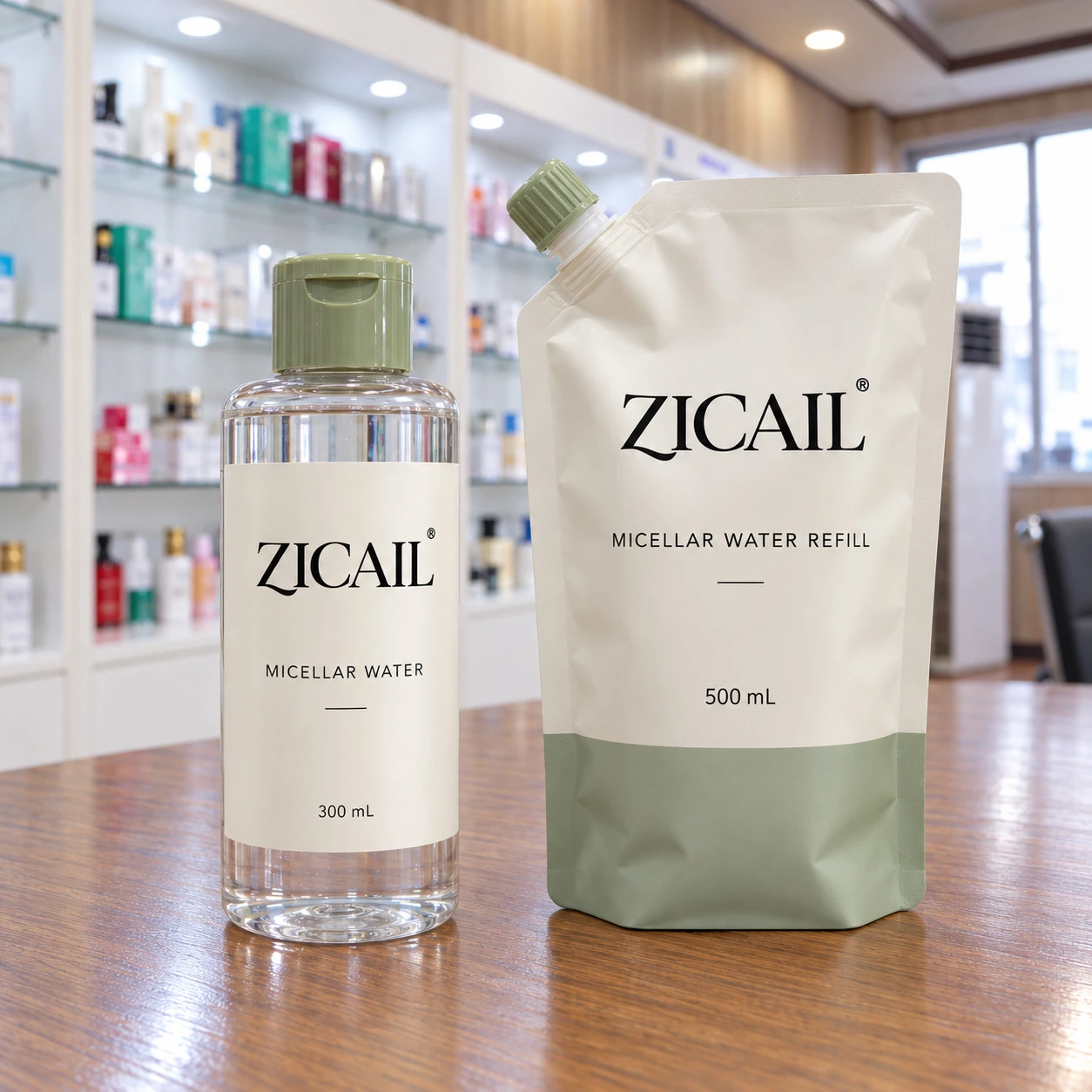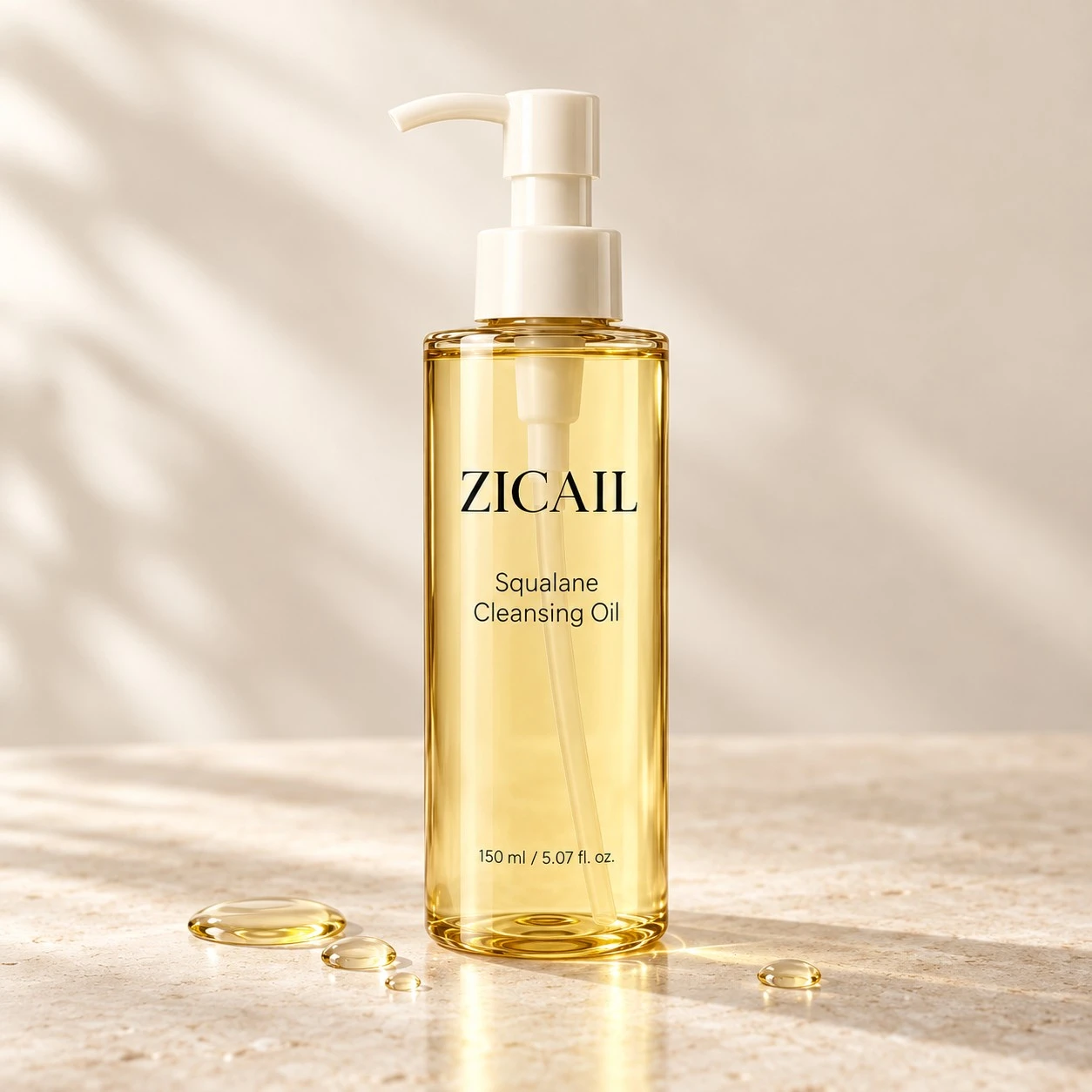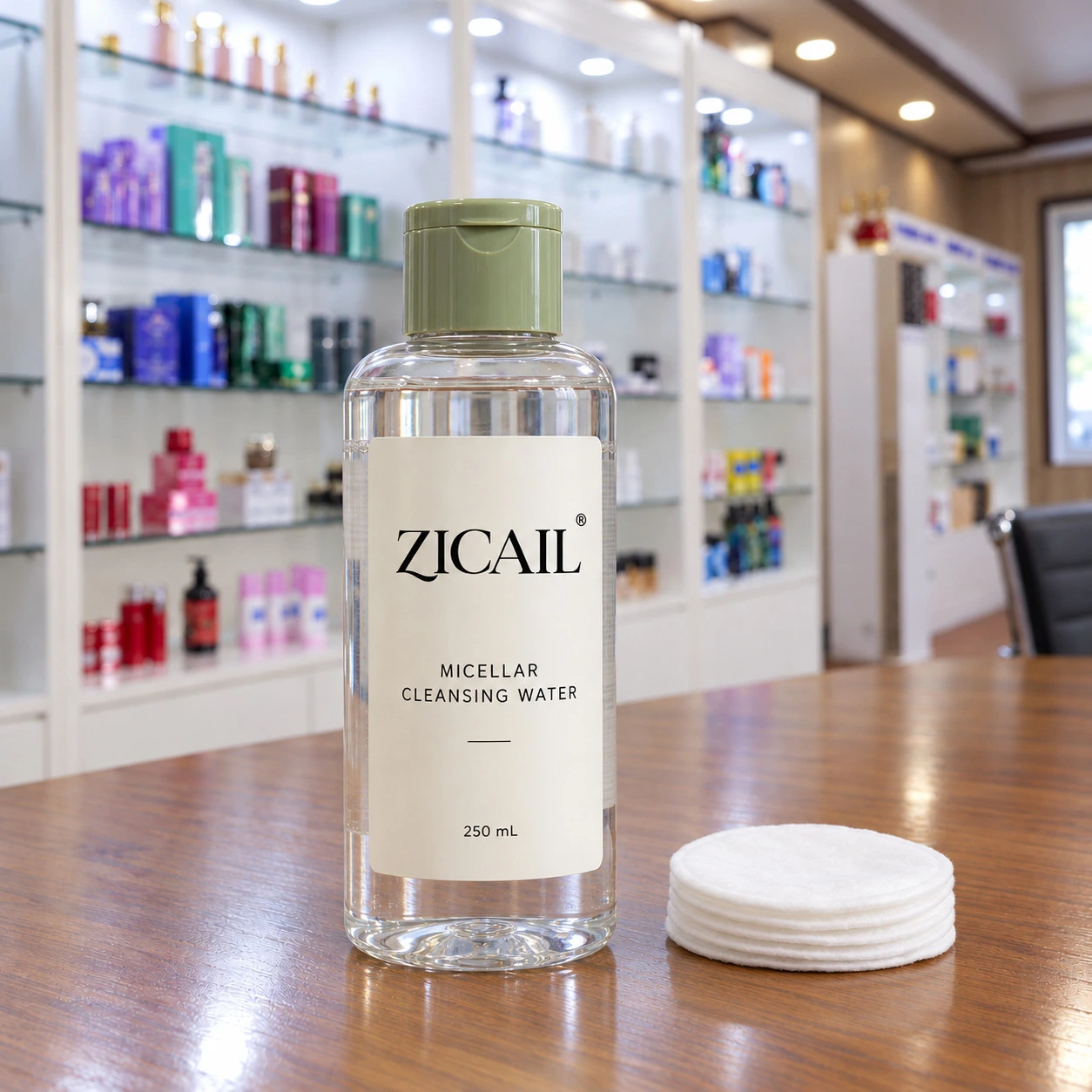
Private Label · OEM / ODM · Custom Formulation

Private Label Micellar Water Manufacturer

Develop micellar water around the makeup-removal benchmark, water-like feel and packaging your brand needs. ZICAIL connects formula development with bottle and dispenser selection, sampling, filling and finished-product checks. Start with an available base or bring your own product brief.
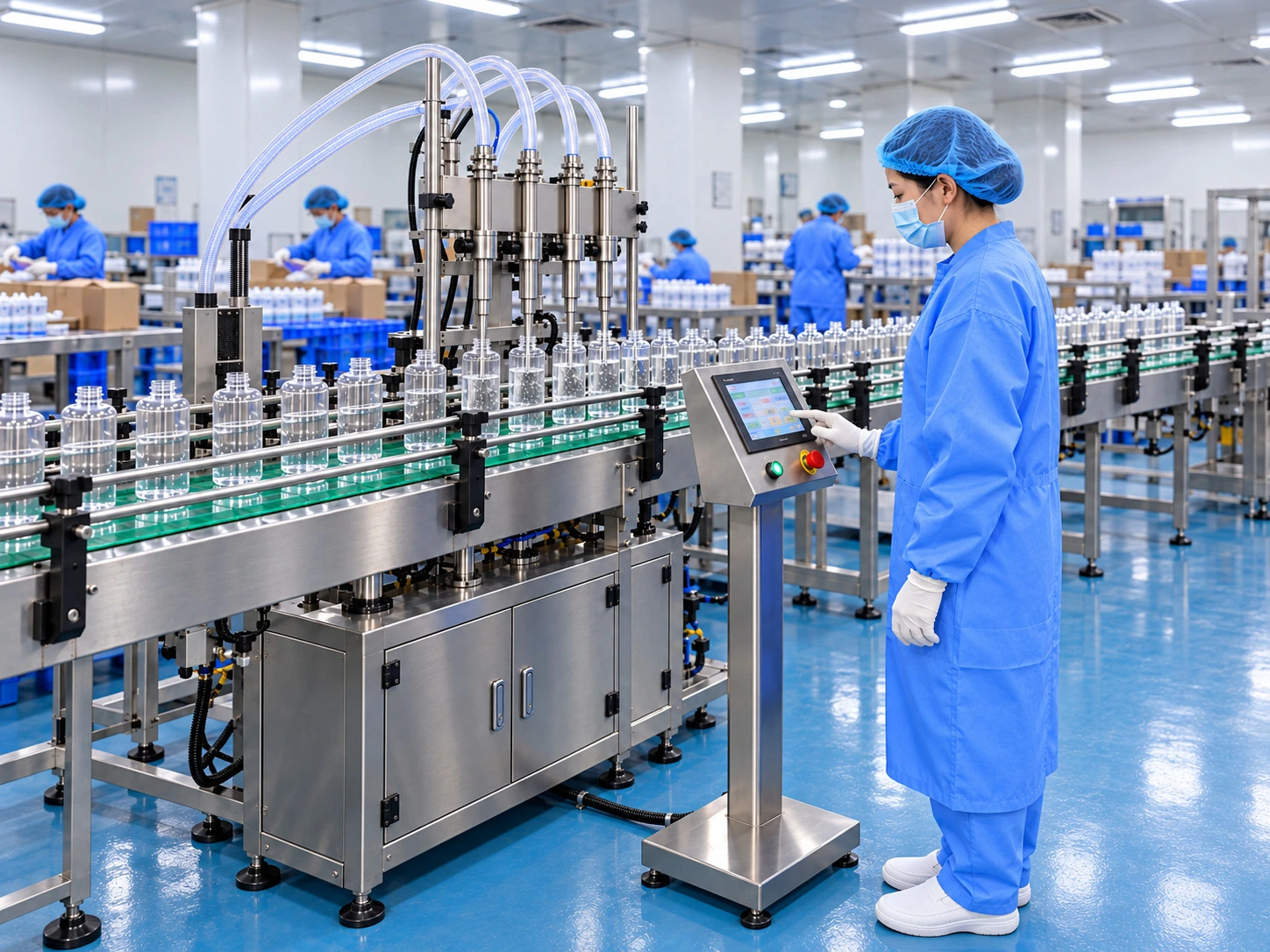
Worker monitoring micellar water bottle filling beside an operator control panel

Confirm single-phase or biphasic development, intended application areas and directions for use early so that samples answer the right questions before production.

Formula & Cleansing DevelopmentBottle & Dispenser MatchingSampling & Production
1,000–5,000 pcsStarting MOQ

Packaging and customization determine the final project minimum.

5–7 daysFormula Samples

Typical initial preparation after the formula brief is agreed. Custom development and revisions may take longer.

7–10 daysCarton Production Samples

Physical paper-carton samples after specifications and artwork are confirmed.

25–30 daysBulk Production

After production approval and required components are ready. Shipping time is additional.

Formula & Packaging Directions

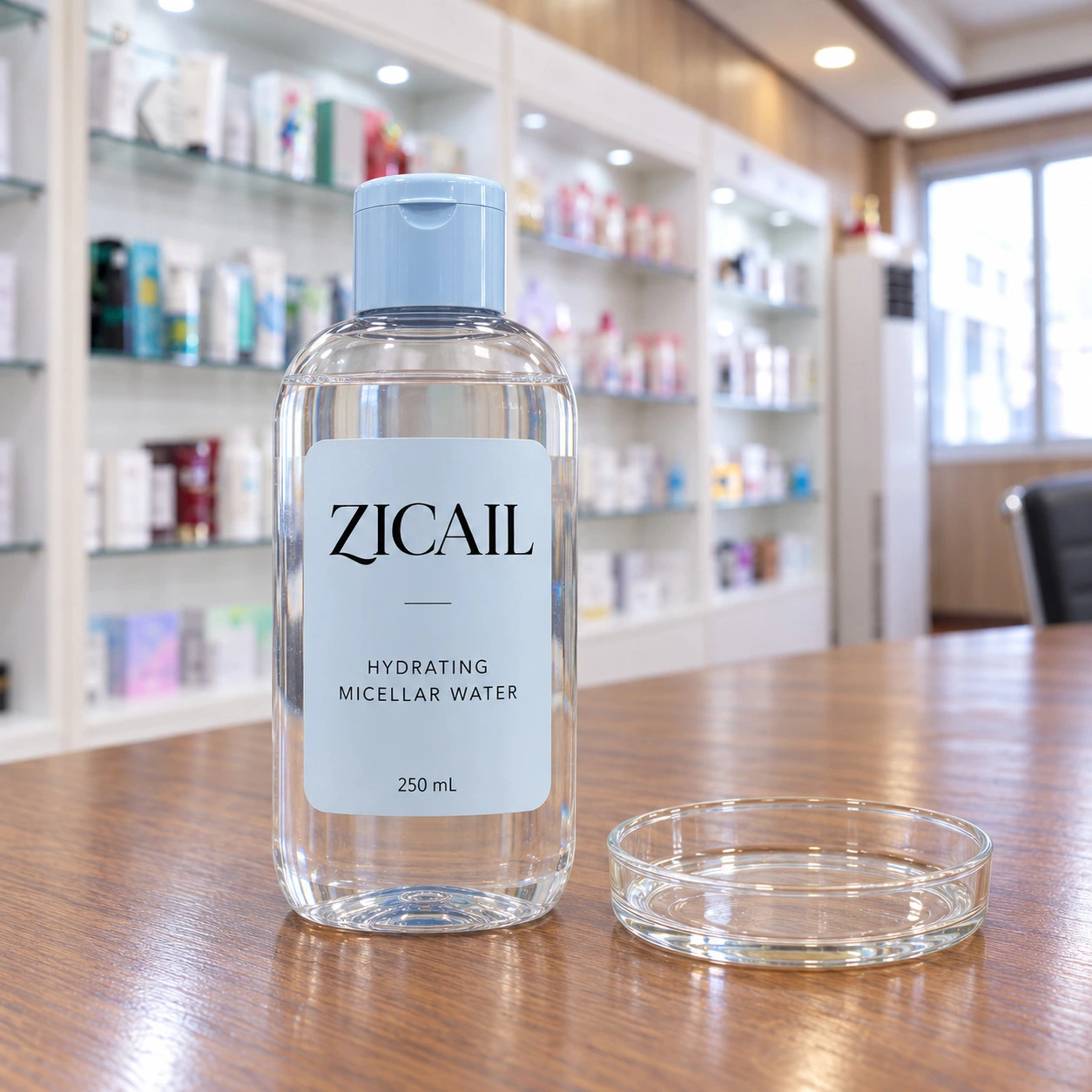
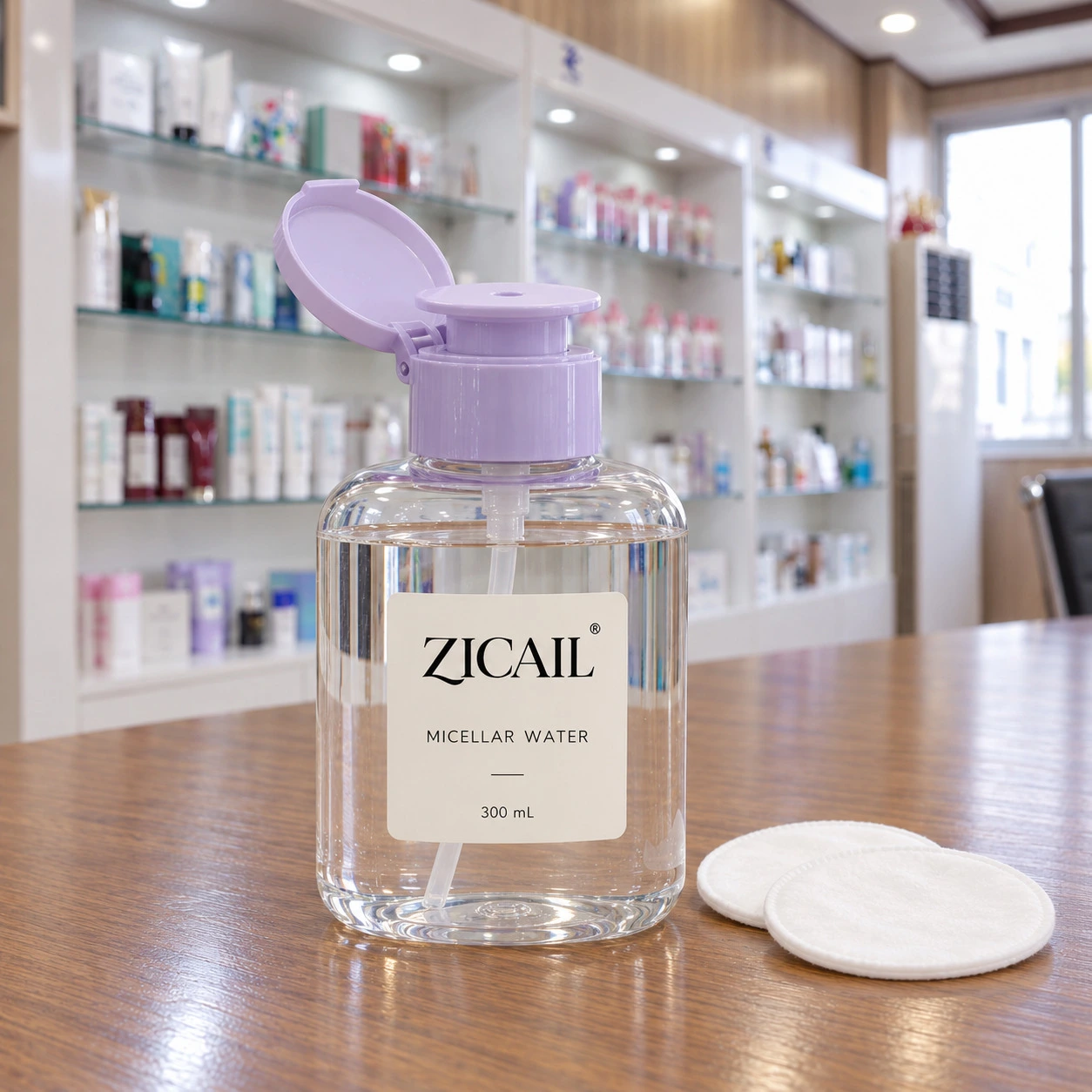
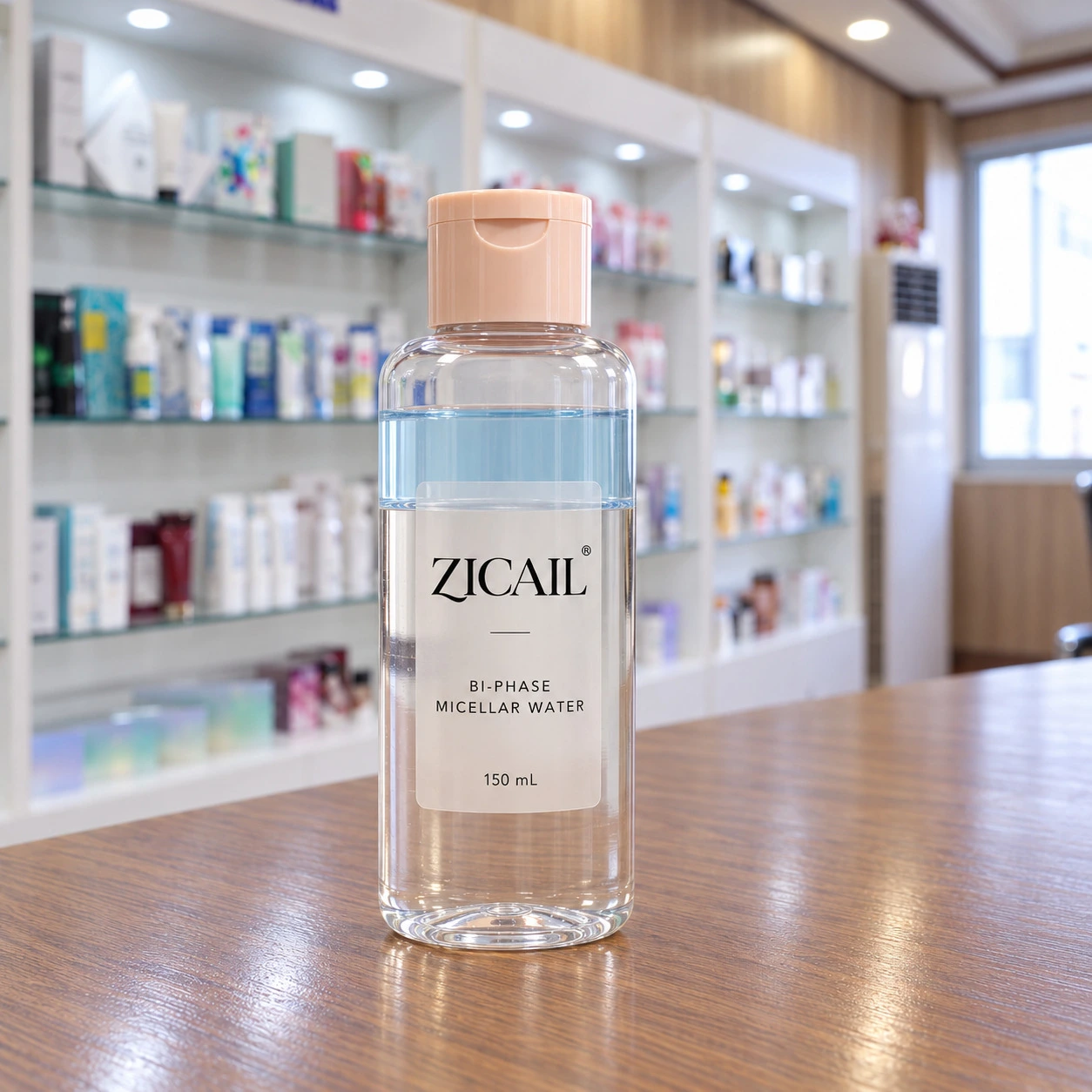
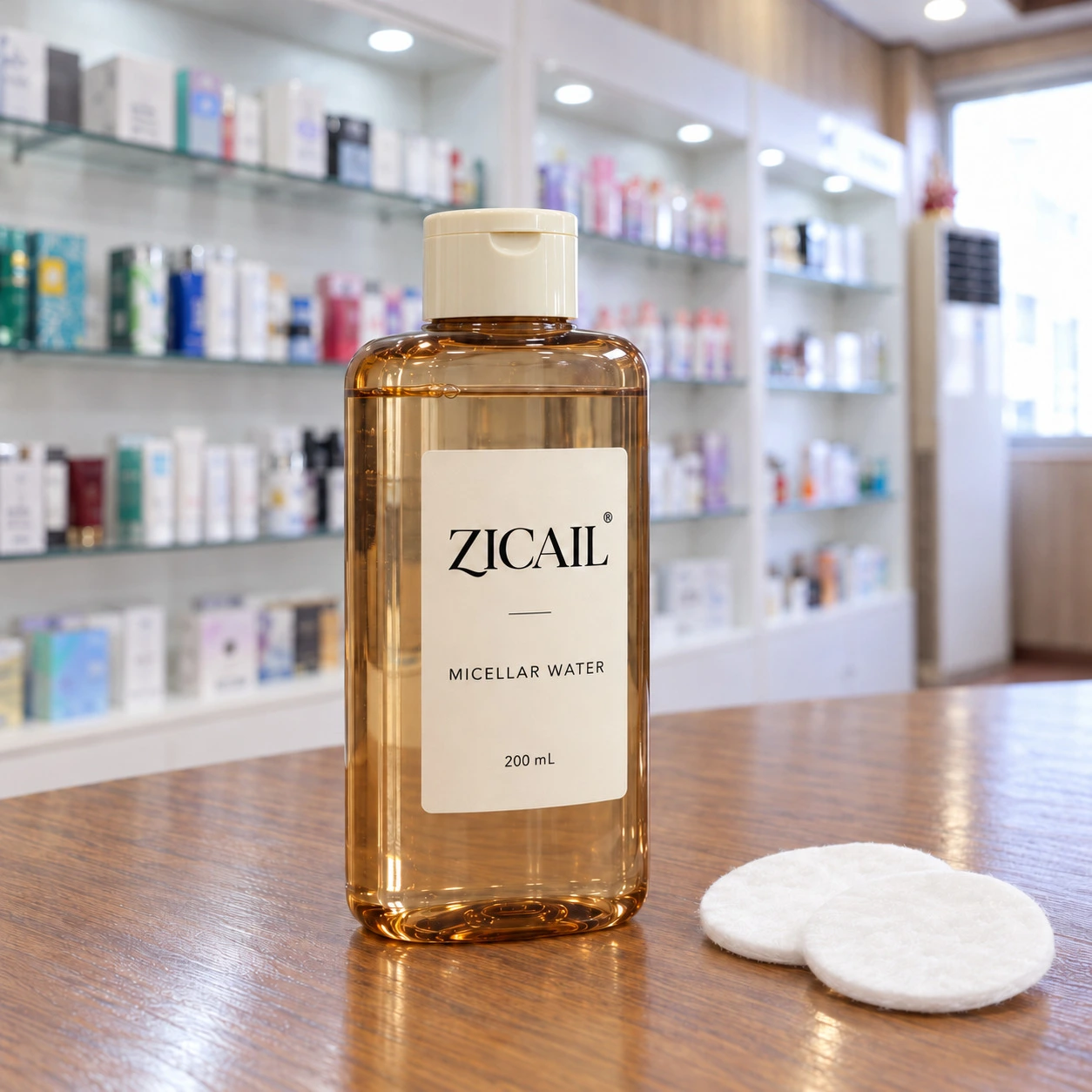
Explore Micellar Water Product Concepts

Compare cleansing directions and packaging formats, then develop the combination that fits your range.

Images illustrate development concepts. Formula performance, claims, pack availability and project minimums are confirmed through sampling and the commercial specification.

Define the Product Experience

Connect the Cleansing Brief with the Intended Routine

Clarify how the product should look, dispense and be used before selecting the formula and retail pack.

Water-Like Feel & After-Feel

Define the desired slip, tack, residue and feel after wiping. Balance the cleansing system and supporting ingredients around the intended routine.

Makeup, Cotton Pad & Method

Choose the makeup types, pad material and removal method used to compare samples. Set a clear benchmark before deciding the removal claim.

Single-Phase or Biphasic

Choose a uniform clear liquid or a shake-to-mix oil-and-water direction. A biphasic brief needs its own mixing, separation and application instructions.

Three Ways to Develop Your Product

Start with an Available Base or Develop Your Own Brief

Choose the route according to what is already defined and what your team needs to develop.
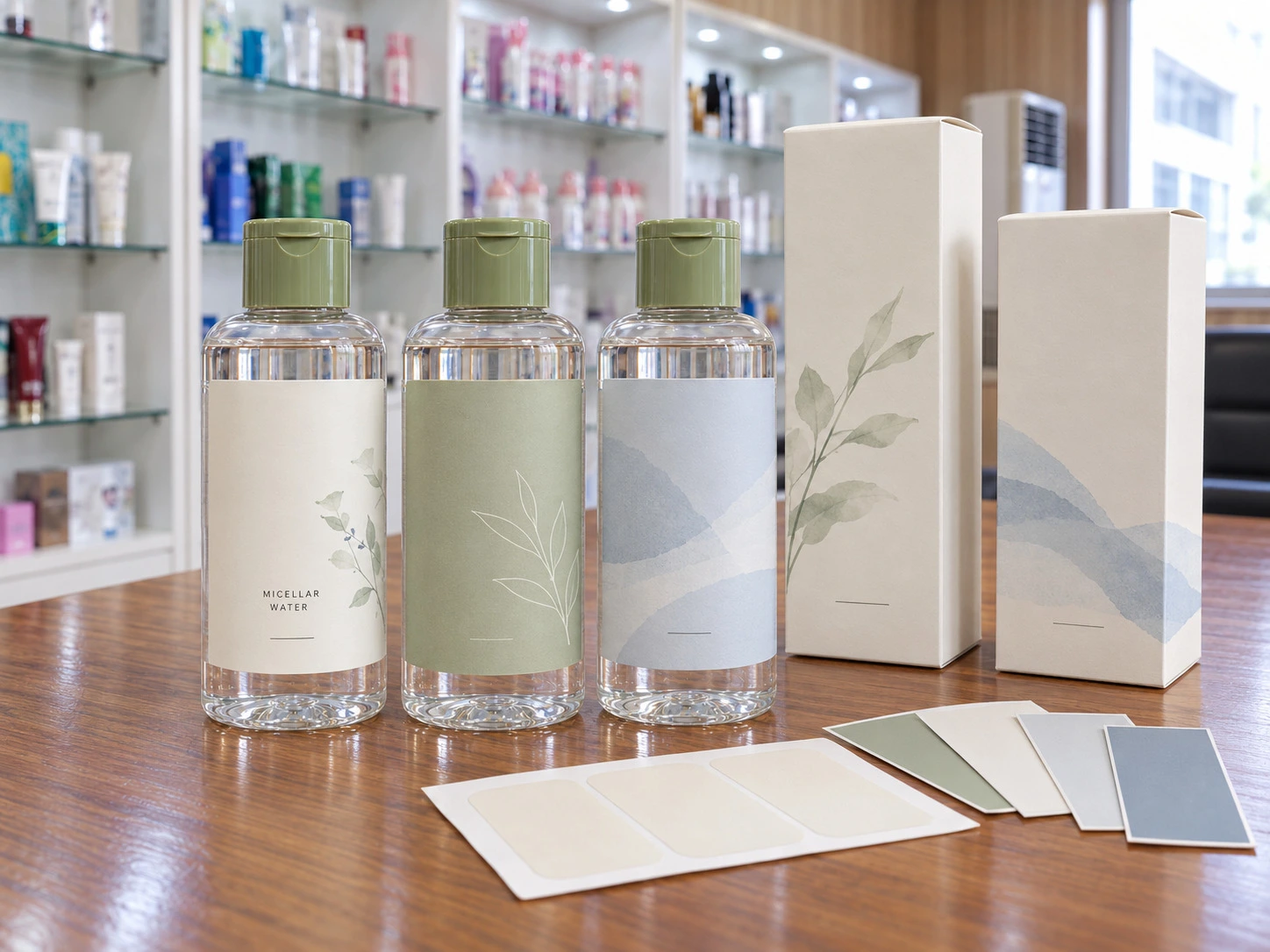
Private label micellar water samples with customizable labels and retail cartons

Private Label

Start with an available micellar water base, then confirm the pack, label and agreed formula adjustments. Review a sample before approving your branded specification.

Explore Private Label
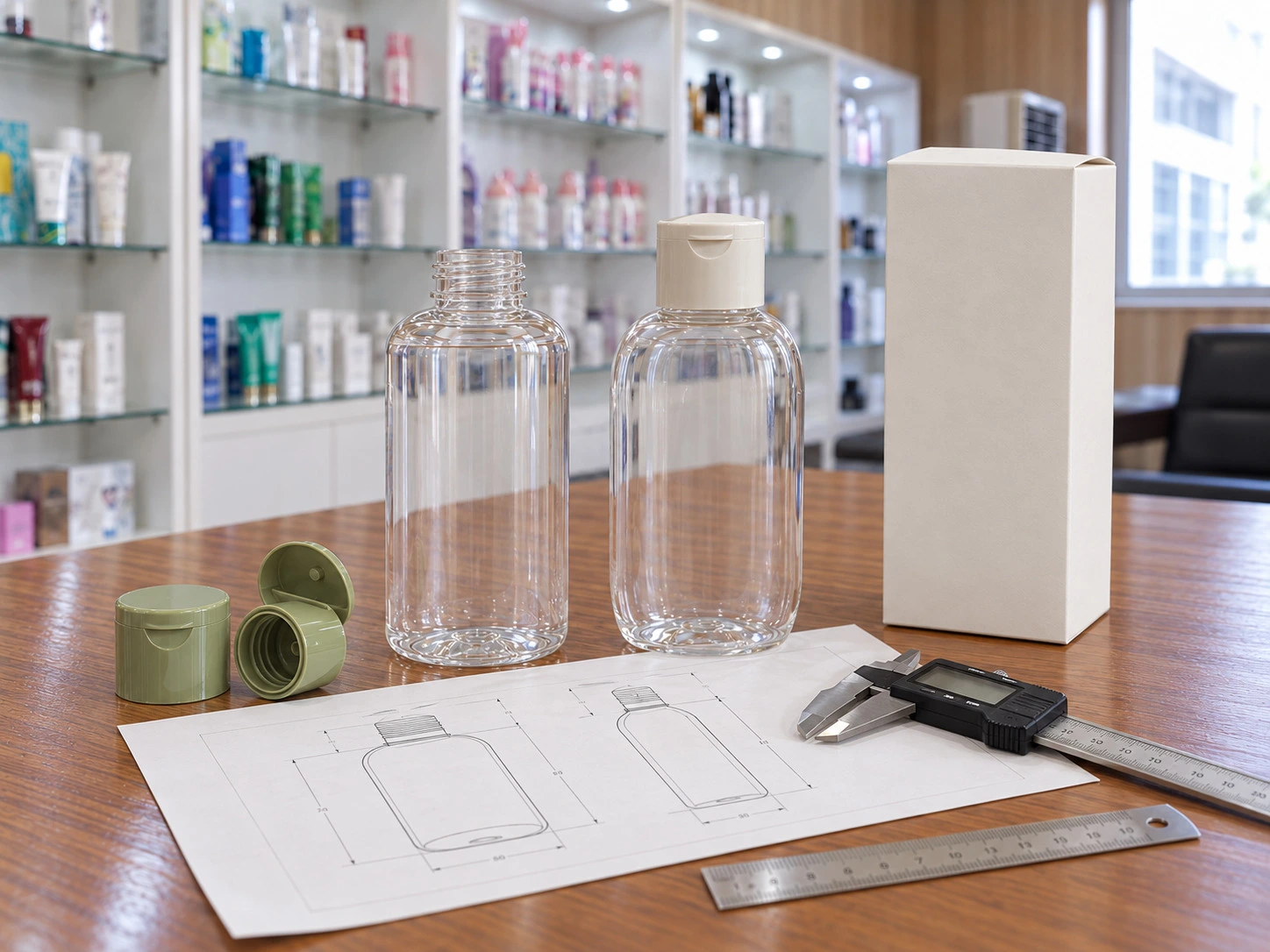
OEM ODM micellar water packaging prototypes with bottle drawings and measuring tools

OEM / ODM

Bring your benchmark, existing specification or packaging idea. Define the formula, packaging and manufacturing work needed to develop or transfer the product.

Explore OEM / ODM
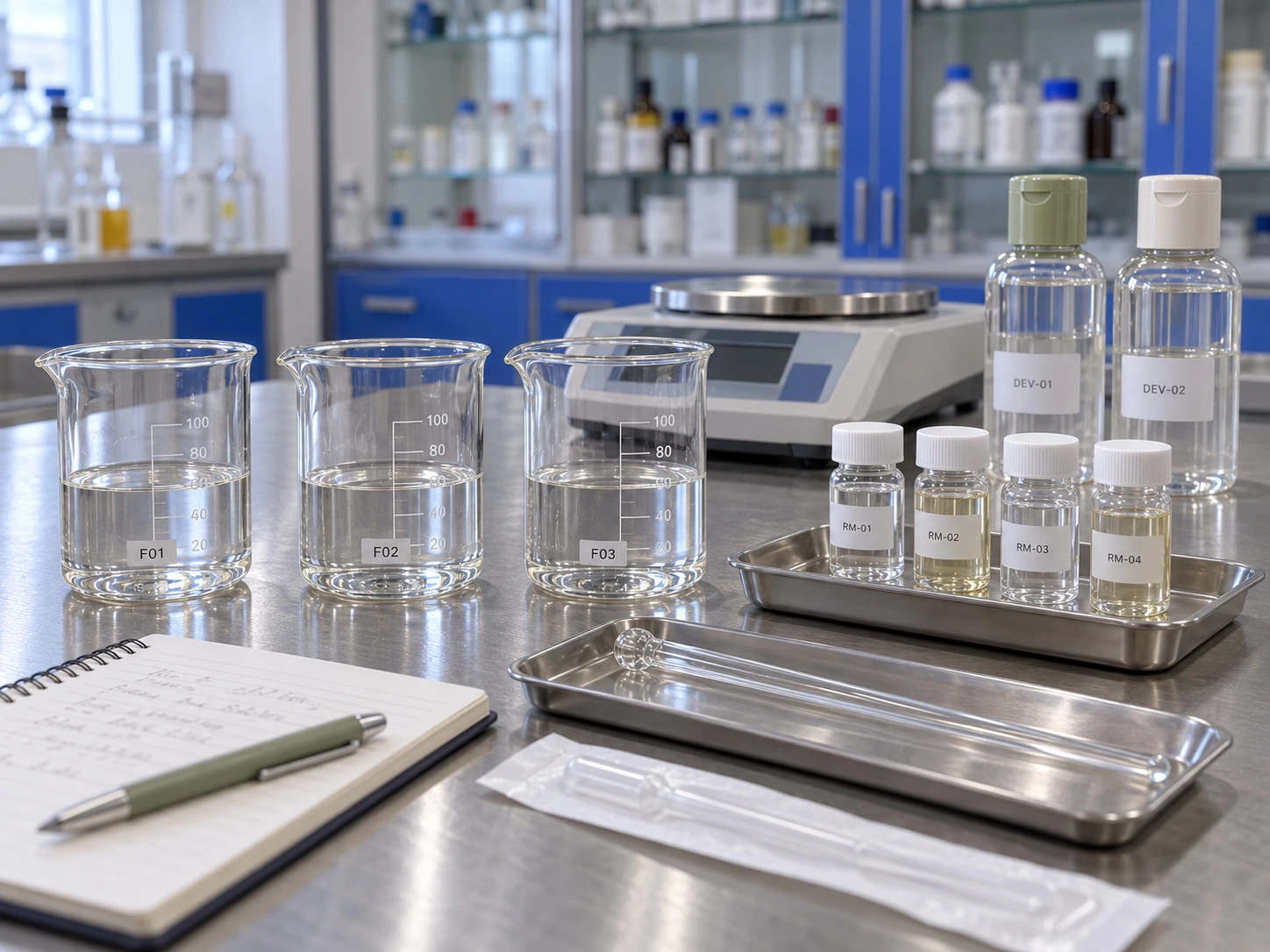
Custom micellar water formulation trials with raw material samples and lab equipment

Custom Formulation

Build a brief around cleansing performance, after-feel, ingredients and intended use. Compare formula trials and agree the revision, evaluation and ownership terms.

Explore Custom Formulation

Product Decisions to Confirm

Decide What Makes Your Micellar Water Different

Turn your positioning into specific formula, packaging and evaluation choices.

Surfactant & Solubilizer System

Develop the cleansing blend around clarity, makeup removal and the intended exposure and directions for use.

After-Feel & Humectants

Set the preferred slip, tack and residue, then review humectant choices and the complete formula together.

Ingredient & Fragrance Brief

Share fragrance preferences, ingredient exclusions and sourcing needs before selecting the trial formula.

Bottle & Dispensing

Select fill size, material and a flip cap, pad dispenser or liquid pump, then check actual output and sealing.

Claims & Sales Market

Define the application areas, target users, countries and claims so evaluation and document needs can be planned.

Artwork & Range Design

Coordinate label and carton artwork, size variants and refill instructions around the approved product specification.

Raw Material Selection & Inspection

Build the Cleansing Base with Traceable Ingredients

Review the water, surfactants, solubilizers and supporting ingredients against the agreed product brief.

Micellar water raw material inspection and receiving records in a laboratory
  • Water & Incoming Materials

    Define the water-quality requirements and review supplier identity, batch details and relevant incoming-material documents against the purchasing specification.

  • Clarity & Formula Compatibility

    Check ingredient appearance, odor and suitability for the selected system. Review humectants, preservatives and any fragrance or oil phase as part of the complete formula.

  • Supplier & Ingredient Changes

    Agree how changes in supplier, grade or ingredient are reviewed. Relevant changes may need renewed compatibility, stability or labeling assessment.

Makeup Removal & Cleansing Experience

Develop Removal Performance with a Repeatable Method

Compare trial formulas using the same makeup, cotton pad and application conditions, then review the intended use and after-feel.

Researcher assessing micellar water makeup removal with a cotton pad on a test surface
  • A Defined Makeup Benchmark

    Select the makeup types and drying conditions. Keep formula dose, pad material, contact time and wiping method comparable across trials.

  • Removal & Pad Wetting

    Observe how each sample wets the pad, spreads across the test surface and removes the agreed makeup. Record the comparison rather than relying on one photograph.

  • After-Feel & Intended Use

    Review slip, tack and residue with an appropriate evaluation plan. Confirm the application areas and whether the intended directions include rinsing.

Explore the development choices in our micellar water formulation guide.

Stability & Formula Assessment

Check Clarity and Formula Behavior Beyond the First Sample

Assess the selected formula under agreed storage conditions and review periods before approving the evaluation plan.

Technician assessing micellar water stability samples in a laboratory
  • Appearance, Clarity & Odor

    Compare stored samples with the reference for haze, particles, unexpected separation, color or odor changes. Record the sample identity, conditions and observation dates.

  • pH & Formula-Specific Behavior

    Measure pH using a defined method and temperature. For a biphasic brief, also assess shaking, temporary mixing and return to the intended phase separation.

  • Preservation & Required Evaluation

    Agree microbiological and preservative-efficacy work appropriate to the formula, pack and intended use. Define required results and responsibilities before approval.

Storage observations support the evaluation plan; a short visual check alone does not establish shelf life.

Bottle Closure & Dispensing Compatibility

Match the Watery Formula to the Pack It Will Use

Evaluate the actual formula with the chosen bottle, closure or dispenser before confirming the formula-and-pack combination.

Technician assessing micellar water bottle fit and flip cap dispensing
  • Bottle, Neck & Closure Fit

    Review neck finish, cap seating, sealing and repeated opening. Assess product-contact materials and leakage under the agreed storage and transport conditions.

  • Opening Size & Controlled Output

    Check the intended tilt or squeeze action with the selected bottle stiffness and closure. Compare output and cutoff; do not choose a flip cap by its appearance alone.

  • Pad Dispensers, Pumps & Refills

    Assess pad wetting or pump output with the actual components. For refill systems, review pouch seals, repeated handling and instructions alongside the bottle.

MOQ, Cost & Lead Time

Make the Commercial Scope Clear Before You Commit

Connect the formula and packaging decisions with quantities, evaluation work and the launch schedule.

What the quotation needs to cover
DecisionInformation to ConfirmCommercial Impact
Formula routeAvailable base, agreed adjustments or custom formulationSampling scope, revisions and development work.
Packaging systemBottle, closure, dispenser, refill pouch, decoration and cartonComponent minimums, tooling where needed and procurement timing.
SKU planFill sizes, formula variants and quantity for each SKUProject minimums and the per-unit quotation.
Evaluation & marketSales countries, intended use, proposed claims and documentsTesting scope, responsibilities and separate charges where applicable.
Production & deliveryApproved specification, component readiness and delivery termsProduction scheduling, freight responsibility and shipping time.

Use the sampling and production periods above as planning references. Confirm the project schedule after the development scope, artwork, components and required evaluation are agreed.

From Brief to Production Approval

Move from the Brief to an Approved Commercial Specification

Record the decisions that define the product so development and commercial production use the same reference.

  1. 01

    Product Brief

    Share your market, benchmark, intended use, formula direction, pack, fill size and quantity.

  2. 02

    Development Scope

    Confirm the route, sampling work, evaluation needs, confidentiality and formula ownership terms.

  3. 03

    Working Samples

    Compare trial formulas using the agreed removal method, after-feel and appearance criteria.

  4. 04

    Packaging & Artwork

    Assess the actual components and confirm the decoration, label and carton specification.

  5. 05

    Approved Reference

    Sign off the formula, packaging, acceptance criteria and reference sample for batch comparison.

  6. 06

    Production Readiness

    Confirm required evaluation, component availability and production approval before scheduling the batch.

Bulk Production & Approved Sample Consistency

Keep the Production Batch Aligned with the Approved Sample

Use the approved formula, packaging specification and reference sample to review the production batch before release.

Technician reviewing micellar water batch samples against an approved reference
  • Comparable Sample Conditions

    Prepare reference and batch samples under the same agreed conditions. Compare clarity, appearance, odor and pH against the recorded specification.

  • Cleansing & Dispensing Checks

    Review the relevant makeup-removal observations and output from the selected pack. Include formula-specific criteria, such as phase behavior, where applicable.

  • Deviations & Change Control

    Investigate relevant differences against acceptance criteria. Document agreed changes rather than replacing the reference or altering the specification informally.

Finished Product Inspection & Batch Release

Check the Filled Bottle Before Batch Release

Review the finished product, packaging and required records against the approved commercial specification.

Quality control staff reviewing finished micellar water products and batch records
  • Fill & Finished Appearance

    Check the agreed net-content or weight criteria, liquid appearance and pack condition. Match the product and packaging to the approved SKU.

  • Closure, Labels & Batch Codes

    Check cap or dispenser fit, leakage where applicable, label placement and readable batch identification. Verify the carton and product details.

  • Required Results & Release Records

    Review the required inspection and test results against release criteria. Record the batch decision and retain relevant comparison information.

Retail Packing & Shipment Preparation

Protect the Bottles Through Packing and Handover

Coordinate the individual carton, shipping case and transport requirements with the selected bottle and closure.

Gloved workers packing micellar water retail cartons and shipping cases
  • Retail Pack Verification

    Match the finished bottle with the correct carton and artwork. Check protective covers, pump locks or seals specified for the project.

  • Shipping Case Protection

    Confirm case quantities, dividers or other protection, case markings and handling requirements for the selected pack and delivery route.

  • Delivery Coordination

    Agree delivery terms, freight responsibilities and the documents required for handover. Plan shipment timing separately from the production period.

Factory Documents & Market Support

Align the Documents with Your Sales Market

Share your intended countries, application areas and label claims early to define the relevant product information, evaluation work and responsibilities.

Request current documents and confirm their applicable scope. FDA facility registration does not constitute FDA approval of a facility or product. Product evaluation, labeling and market requirements need their own review.

After-Sales & Reorder Support

Keep Support Connected to the Delivered Batch

Clear batch identification and specifications help the team investigate feedback and plan repeat orders.

Product & Batch Questions

Send the order and batch reference, photos or video, storage conditions and a description of the issue. Relevant records and retained samples help guide the review.

Closure, Pack & Shipment Feedback

Identify the affected component and explain when the issue appeared. Review the available evidence and agreed project terms with the team before deciding the next step.

Reorders & Product Changes

Use the approved specification for repeat orders. Review changes in formula, ingredients, fill size, artwork or components before scheduling another batch.

Common Project Questions

FAQs About Private Label Micellar Water

What is the MOQ for private label micellar water?

Starting MOQ is typically 1,000–5,000 pcs. Packaging, customization and the SKU plan determine the applicable minimum. Confirm quantities for each formula and fill size in the quotation.

How long do samples and bulk production take?

Initial formula samples typically take 5–7 days after the brief is agreed. Physical paper-carton production samples typically take 7–10 days after artwork and specifications are confirmed. Bulk production typically takes 25–30 days after production approval and required components are ready. Custom development, revisions and shipping can add time.

Can I develop a clear single-phase or a biphasic product?

Both directions can be discussed. A clear single-phase brief focuses on a uniform water-like appearance, cleansing and after-feel. A biphasic brief adds an oil-and-water system with its own shaking, mixing and separation requirements. Confirm the formula and product naming during development.

Can micellar water be developed for no-rinse or eye-and-lip use?

Include the intended application areas and directions in the brief. No-rinse and eye-and-lip positioning require review of the complete formula, intended exposure and relevant finished-product evaluation. Approve the instructions and claims after the required work is complete.

Can the formula remove waterproof makeup?

Define the makeup types, application amount, drying time, cotton pad and removal method in the benchmark. Evaluate samples under those conditions before approving a waterproof-makeup-removal claim. The micellar water name or a visible two-phase appearance does not guarantee the result.

Can I choose a flip cap, cotton pad dispenser, pump or refill pouch?

Yes. Review each format with the selected formula. Check dispensing output, closure fit, product-contact materials and leakage under agreed conditions. For refill projects, include pouch seals, bottle reuse and the intended refill instructions in the evaluation.

How is the production batch compared with the approved sample?

Use the approved reference and recorded specification. Compare appearance, clarity, odor, pH and relevant cleansing or dispensing observations under agreed conditions. Review required results and any deviations against acceptance criteria before release.

What should I send for a micellar water quotation?

Send your sales market, benchmark, formula direction, intended use, preferred packaging, fill size, quantity and launch target. Include ingredient preferences, artwork, testing and documentation needs. Confirm confidentiality, formula ownership and exclusivity requirements before development.

What support is available after delivery?

Contact the project team with order and batch details, photos or video, storage information and a description of the issue. Relevant records and retained samples help guide the review. Reorders, packaging feedback and specification changes can also be discussed.

Start Your Project

Turn Your Micellar Water Brief into a Development Plan

Tell us your sales market, cleansing benchmark, intended use, preferred bottle or dispenser, fill size and quantity. Our team can review the development route, sample plan and information needed for a commercial quotation.

zicai customer support team - <trp-post-container data-trp-post-id='5937'>Retinol vs Retinal: Which Retinoid Is Better for Skin?</trp-post-container>
zicai factory quality control and productoin team photo - <trp-post-container data-trp-post-id='5937'>Retinol vs Retinal: Which Retinoid Is Better for Skin?</trp-post-container>

Start Your Skincare Project

Tell us your product idea, target market, and packaging needs. Our team will help you choose a practical development path.

zicai customer support team - <trp-post-container data-trp-post-id='5937'>Retinol vs Retinal: Which Retinoid Is Better for Skin?</trp-post-container>