


Finding a skincare manufacturer in South Korea involves more than choosing a familiar company name. A custom serum brief and an existing cleanser-and-moisturizer range call for different development services. Compare what each manufacturer contributes, where production will happen, and what the brand must still specify.
The profiles focus on facial, eye, and lip skincare. If Korean manufacture is mandatory, confirm the proposed production site before shortlisting.
How We Selected These Manufacturers
Selection required an identifiable skincare development or manufacturing business, a clear operating location, and concrete capabilities relevant to a brand brief. The order gives priority to broad development resources and production support, followed by more specific product and sourcing fits.
This is an editorial project-fit ranking, not a measured quality or market-share ranking. Company size alone does not establish suitability for a particular formula, order quantity, or launch schedule.
Compare the Manufacturers at a Glance
Use the table to identify the right starting conversation; the profiles explain the operational differences behind each entry.
| Manufacturer | Base or production geography | Development focus | Useful project discussion |
|---|---|---|---|
| COSMAX | Seongnam base; international manufacturing network | Research, product concept, formulation, and manufacturing | Development resources and proposed production location |
| Kolmar Korea | Sejong skincare factory, South Korea | Dedicated skincare production infrastructure | Format fit, process monitoring, and manufacturing records |
| Cosmecca Korea | Eumseong base; Korean production operations | OEM/ODM with market-aware OGM services | Formula development for a defined destination market |
| ZICAIL | Guangzhou, China | Established formulas and custom OEM/ODM skincare | Formula, packaging, sampling, and production coordination |
| UCL | Incheon and Jeju factories, South Korea | Facial cleansing, masks, and leave-on skincare | Several related products across a facial routine |
| Hankook Cosmetics Manufacturing | Seoul office; Eumseong factory, South Korea | Skincare R&D and production with consulting | Product direction alongside manufacturing |
| B&cos | Seoul office; Ochang factory, South Korea | OEM/ODM facial care and varied cleanser formats | Choosing a cleansing format and companion skincare |
Manufacturer Profiles and Project Fit
1. COSMAX
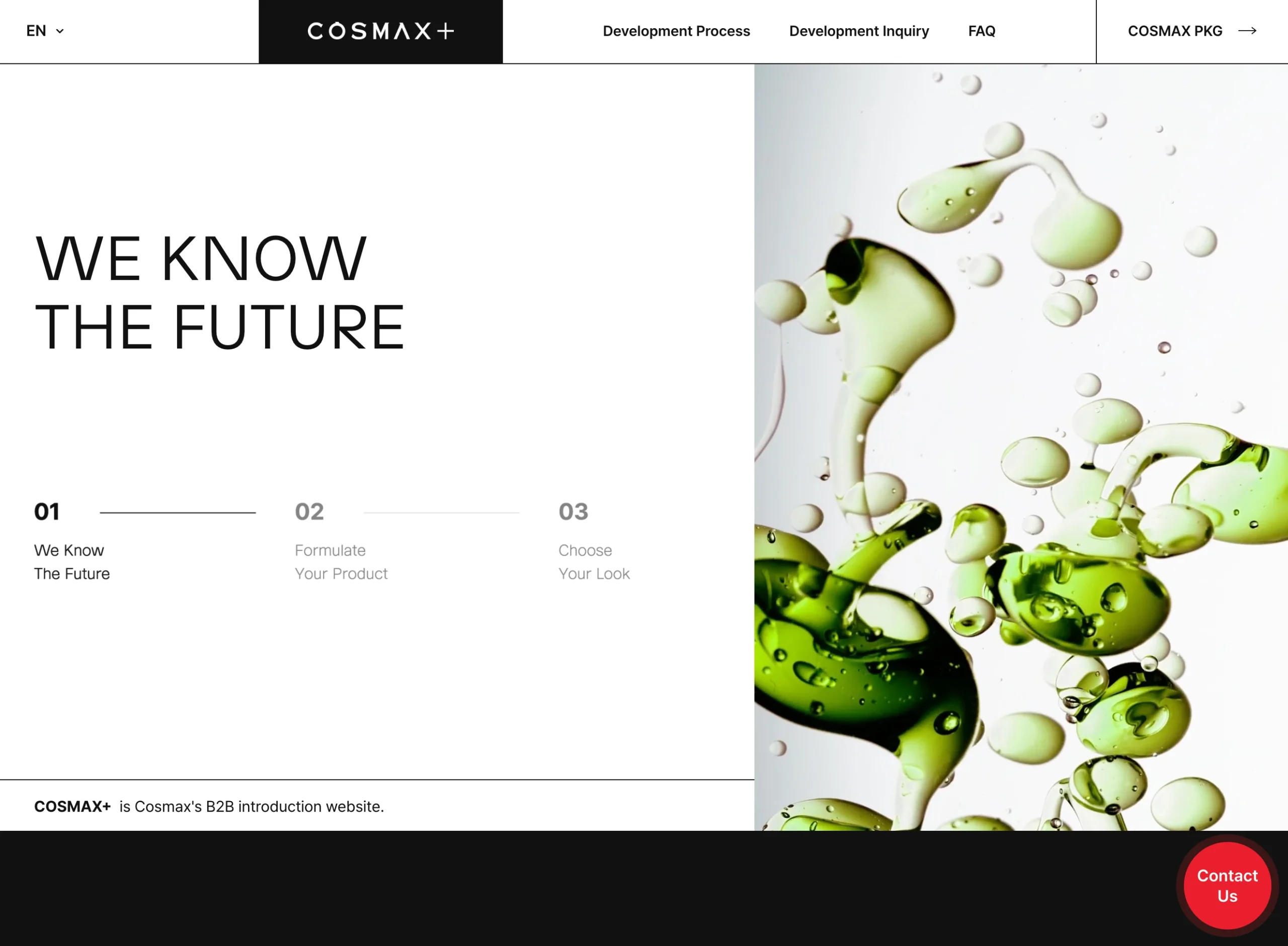
COSMAX is a South Korea-based cosmetics developer and manufacturer with its business base in Seongnam and an international production network. Its services extend from research and product concept through formulation, manufacturing, and brand development. Skincare is one of its core product categories, and its development work includes proprietary formulas, ingredients, and delivery technologies.[1]
The practical attraction is access to development resources beyond a finished formula. For a brand with a defined performance brief, the useful discussion is which technology, development service, and production arrangement suit that brief. A global network also makes the assigned manufacturing location a point to settle explicitly when Korean production matters.
Best for: brands seeking research-led skincare development with a wider production network.
2. Kolmar Korea
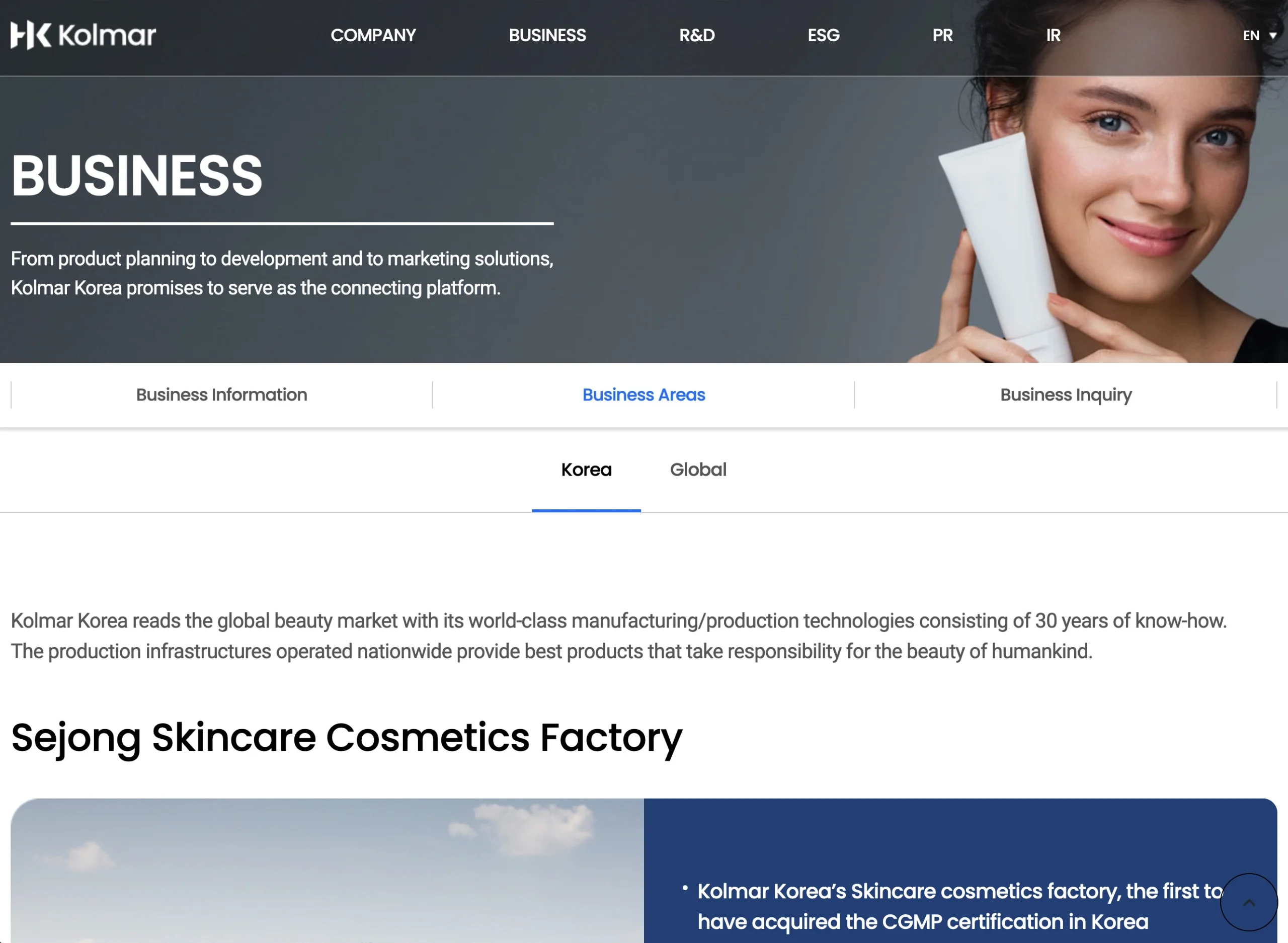
Kolmar Korea operates a dedicated skincare cosmetics factory in Sejong, South Korea. Its product scope includes toners, lotions, ampoules, essences, creams, sheet masks, mask packs, and lip balms, alongside cleansing oils, creams, waters, and makeup removers. The Sejong operation uses real-time production-data collection, manufacturing-history tracking, process-error monitoring, and quality-information analysis.[2]
This combination makes the factory relevant to a brand planning several skincare textures while placing weight on production control. The distinction is the connection between the product range and the systems used to monitor manufacturing. Ask how the proposed product will be transferred into production and which batch records will accompany supply.
Best for: skincare ranges that need varied formats and a structured production-control discussion.
3. Cosmecca Korea
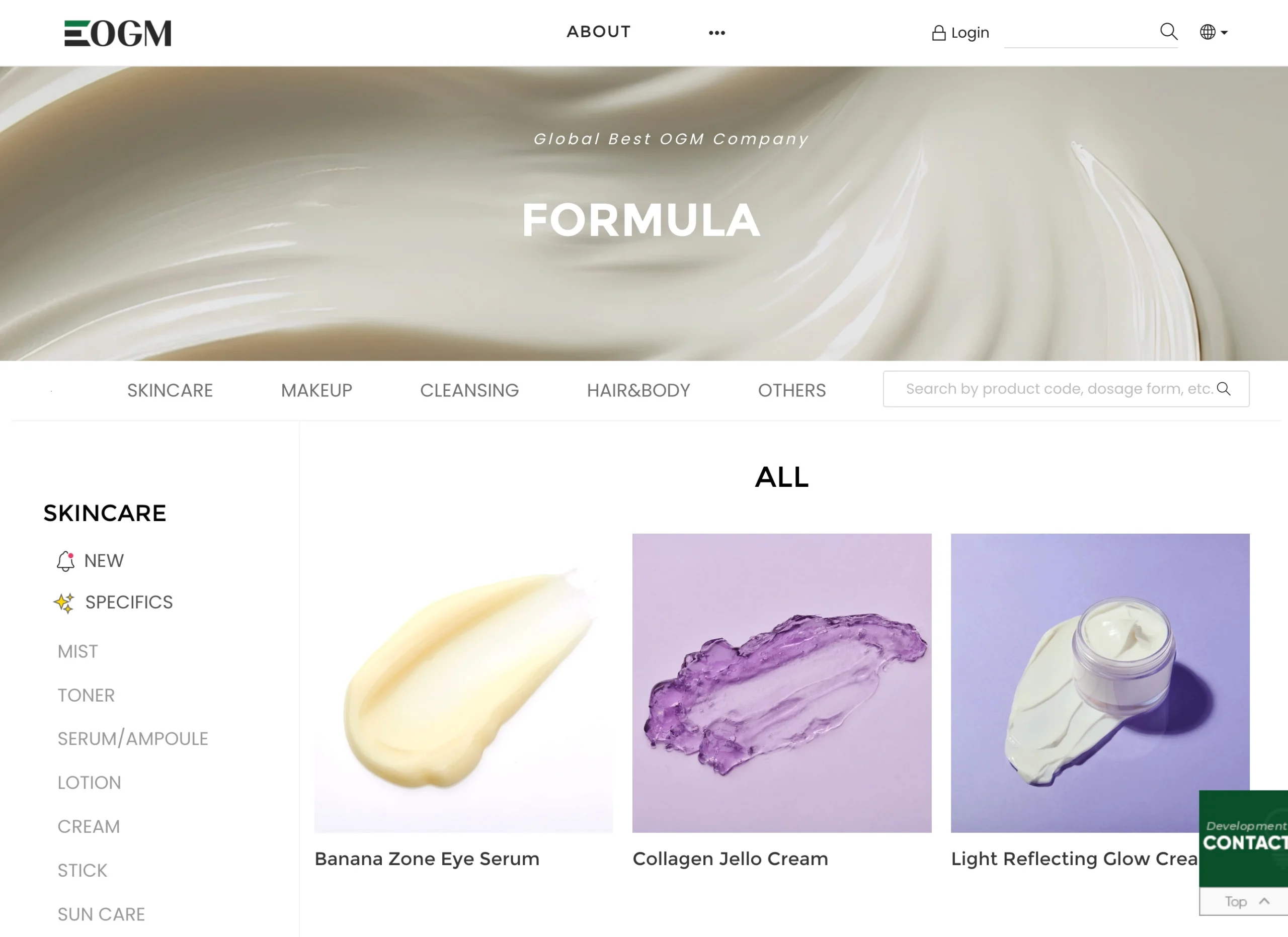
Cosmecca Korea is an OEM/ODM cosmetics manufacturer based in Eumseong, South Korea, with Korean production operations. Its skincare research covers toners, lotions, creams, essences, cleansing products, exfoliating products, sheet masks, and other packs. Its OGM service considers the destination country’s trends, distribution structure, and regulatory requirements alongside development and manufacturing.[3]
The useful difference is that the sales market forms part of the development brief. A formula intended for one channel or country is not automatically the right proposal for another. Brands with an identified launch market can use that service to connect product positioning, formulation, and production planning rather than discussing each in isolation. Market-aware development still requires a clear agreement on who supplies and reviews the necessary documents.
Best for: brands developing skincare around a defined export market and sales channel.
4. ZICAIL
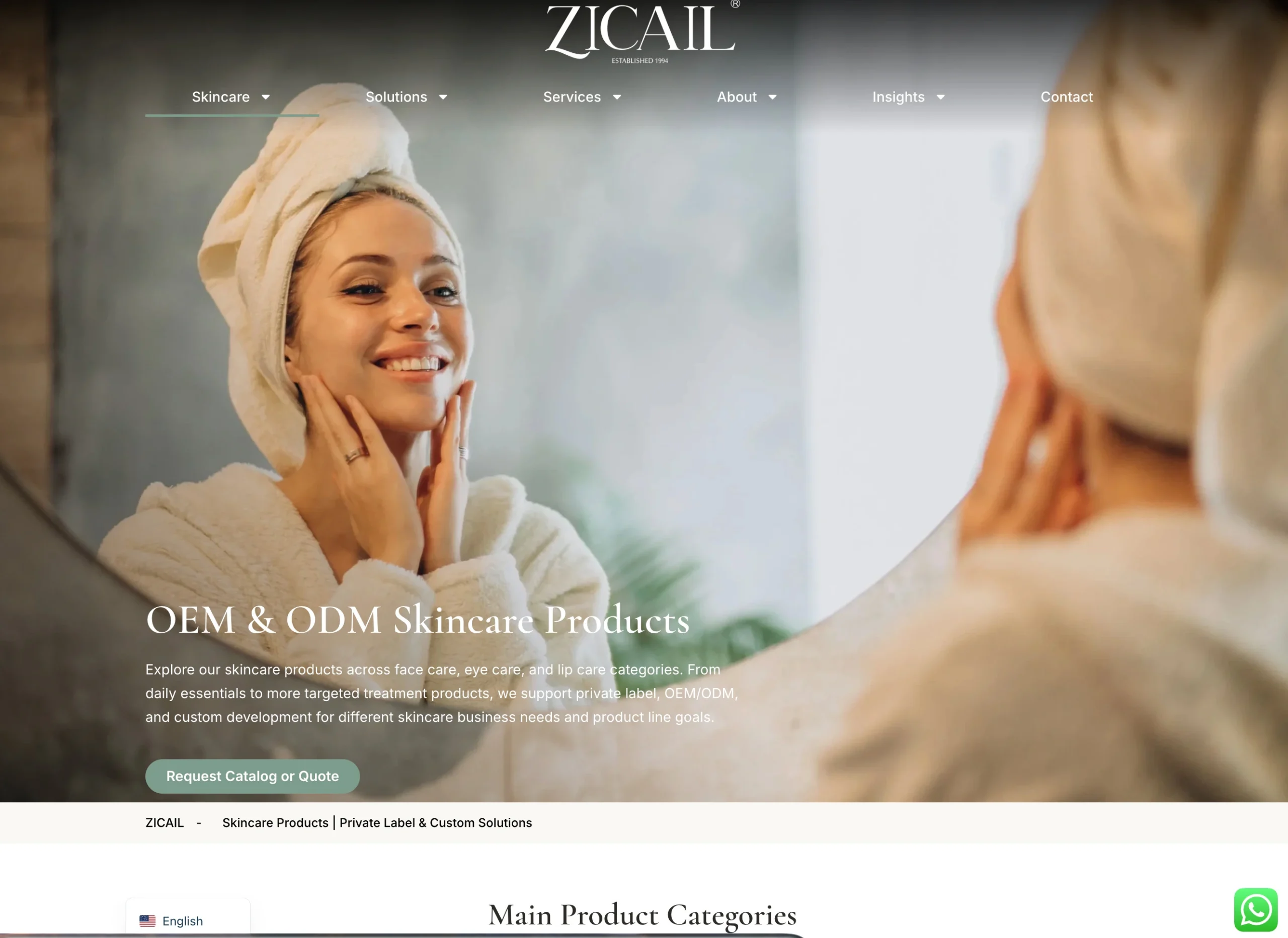
ZICAIL is a private label and OEM/ODM skincare manufacturer in Guangzhou, China. Its face, eye, and lip care range combines established formulas with custom development, supported by sample review, packaging selection, production planning, and quality inspection.[4]
It belongs in this comparison for brands evaluating Chinese production alongside Korean suppliers. The project discussion can start with an existing formula or a custom brief, depending on the planned range.
Best for: brands comparing established-formula and custom skincare projects across sourcing countries.
5. UCL
UCL develops and manufactures cosmetics with factories in Incheon and Jeju, South Korea. Its facial-care development range includes foam, gel, water, oil, balm, lotion, and cream cleansers; wash-off, peel-off, sleeping, and sheet masks; and toners, serums, essences, ampoules, creams, eye creams, oils, and mists.[5]
That breadth is useful when the brief contains products with different application and texture requirements. A cleansing balm, watery toner, and richer night cream do not pose the same development questions. UCL’s range gives a buyer a basis for discussing those formats together. For a multi-product launch, agree the proposed factory and development plan for each item rather than assuming the whole range follows one production route.
Best for: facial skincare ranges combining several cleansing, mask, and leave-on formats.
6. Hankook Cosmetics Manufacturing
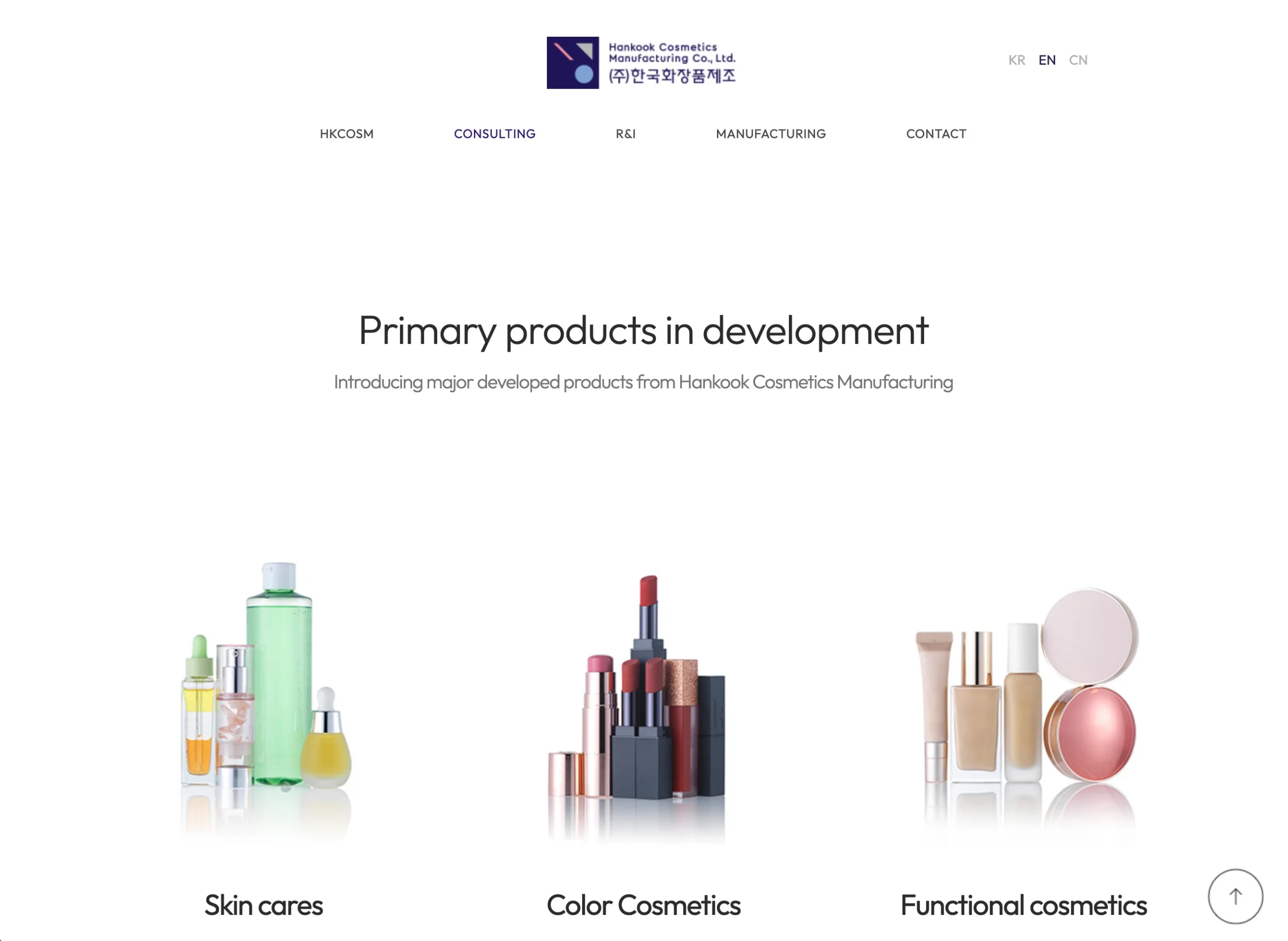
Hankook Cosmetics Manufacturing is a Korean cosmetics R&D and production company with a Seoul office and an Eumseong factory. Established in 1962, the company includes skincare and functional cosmetics among its main businesses and offers consulting alongside OEM/ODM manufacturing.[6]
The consulting offer matters when the product direction is still taking shape. Before comparing a proposal with a production-only quote, establish whether concept development, formulation work, and manufacturing are included or priced separately. This helps a brand with a target customer but an unfinished product brief understand what it is actually buying.
Best for: brands seeking product-direction support alongside Korean skincare manufacturing.
7. B&cos
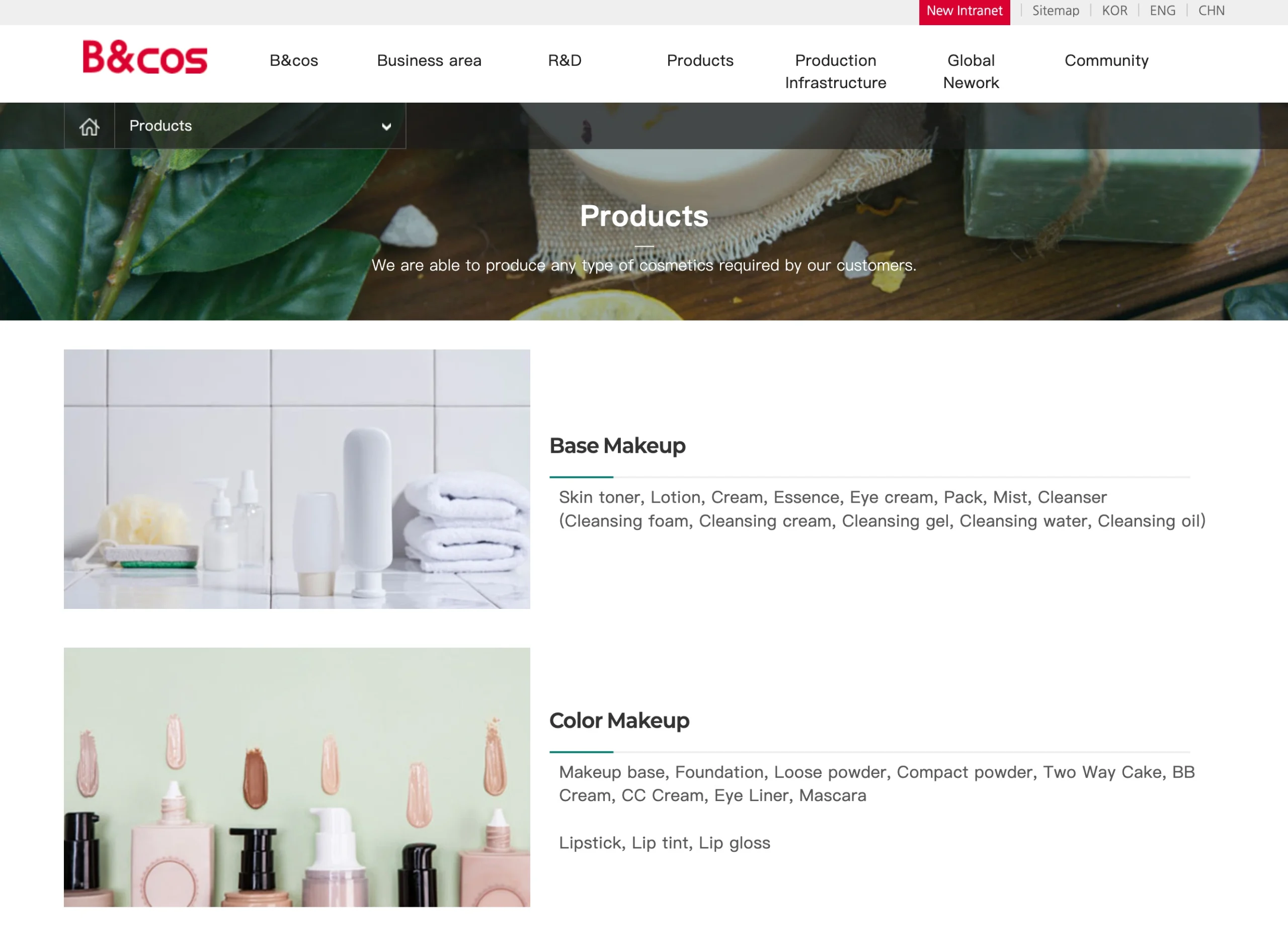
B&cos is a Korean OEM/ODM cosmetics manufacturer with a Seoul office and an Ochang plant and research institute in Cheongju. Its skincare formats include toners, lotions, creams, essences, eye creams, packs, and mists. Cleansing options span foams, creams, gels, waters, and oils.[7]
The cleanser range provides a concrete starting point for a brand deciding how its routine should begin. A foam, cleansing oil, and cleansing water are different product briefs, even when sold to the same audience. B&cos is relevant to buyers who want to compare those directions while also discussing companion facial-care products. Bring a clear texture and packaging reference so the discussion moves beyond a broad request for a cleanser.
Best for: brands comparing cleansing formats within a broader facial-care range.
Narrow Your Manufacturer Shortlist
Before requesting proposals, settle four points:
- Production location: specify whether Korean manufacture is required for every product.
- Development scope: identify existing-formula selection, adaptation, or new formulation, plus formula ownership terms.
- Order basis: request MOQ by formula, fill size, packaging, artwork, and order volume; factory capacity is not an order minimum.
- Approval plan: agree sample review, packaging compatibility checks, documents, and production milestones.
Use the same brief for each company. Our guide to choosing a skincare manufacturer covers the fuller evaluation process; the skincare RFQ guide helps organize comparable requests.
Discuss Your Skincare Project with ZICAIL
If Chinese production fits your plan, discuss OEM/ODM skincare with ZICAIL. Send your product list, target market, formula direction, packaging reference, expected quantity, and launch window through our contact page to start a focused project discussion.


