Everyday Pour Format
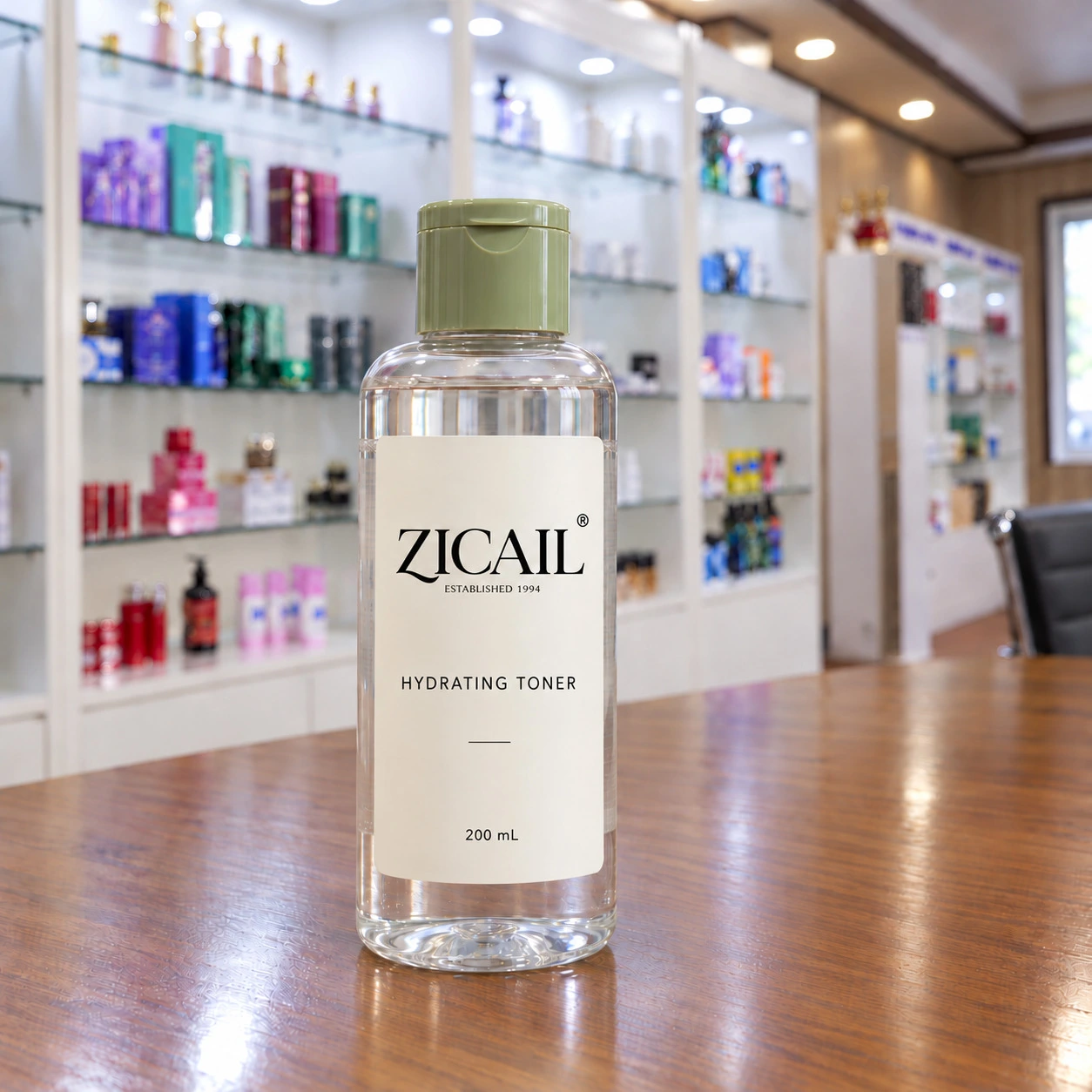
Flip-Cap Bottle
A clear round bottle with a sage green flip cap. Match the opening and delivered amount to hand or cotton-pad application.


Private Label · OEM / ODM · Custom Formulation
Develop a hydrating toner around the moisture feel, texture and packaging your brand needs. ZICAIL connects formula sampling with ingredient selection, bottle and closure evaluation, production and finished-product checks. Start with an available base or bring your own product brief.

Define a water-light or slightly cushioned feel, the preferred application method and how the toner should layer with the rest of your range. Confirm those choices through samples before approving the commercial specification.
Packaging Concepts for Your Toner Range
Compare eight packaging directions for a hydration-led toner. Develop the formula and dispensing system together around your intended routine.
Everyday Pour Format
A clear round bottle with a sage green flip cap. Match the opening and delivered amount to hand or cotton-pad application.
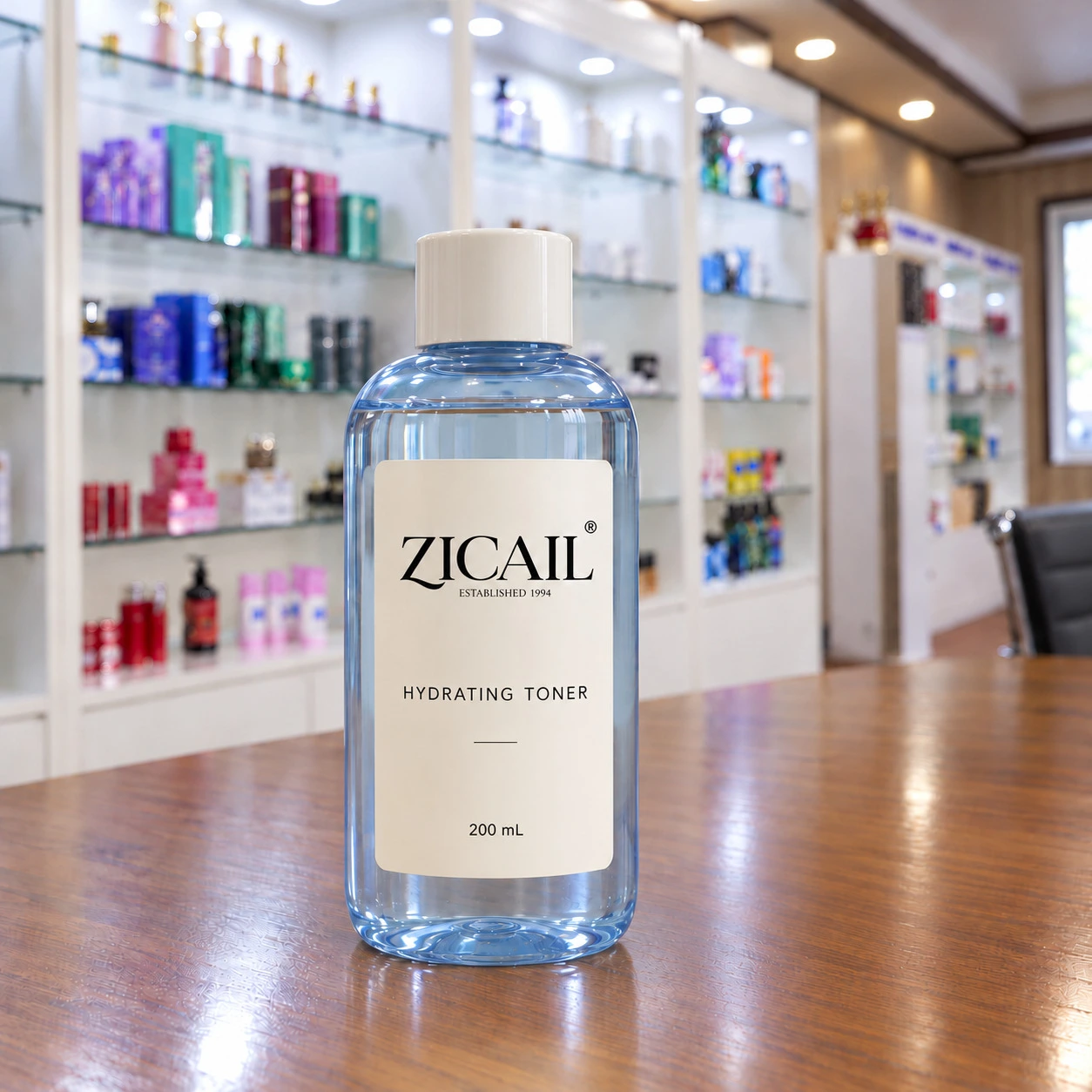
Pale Blue Bottle
A pale blue bottle with an ivory screw cap. Confirm the neck insert, pouring control and seal with the selected liquid formula.
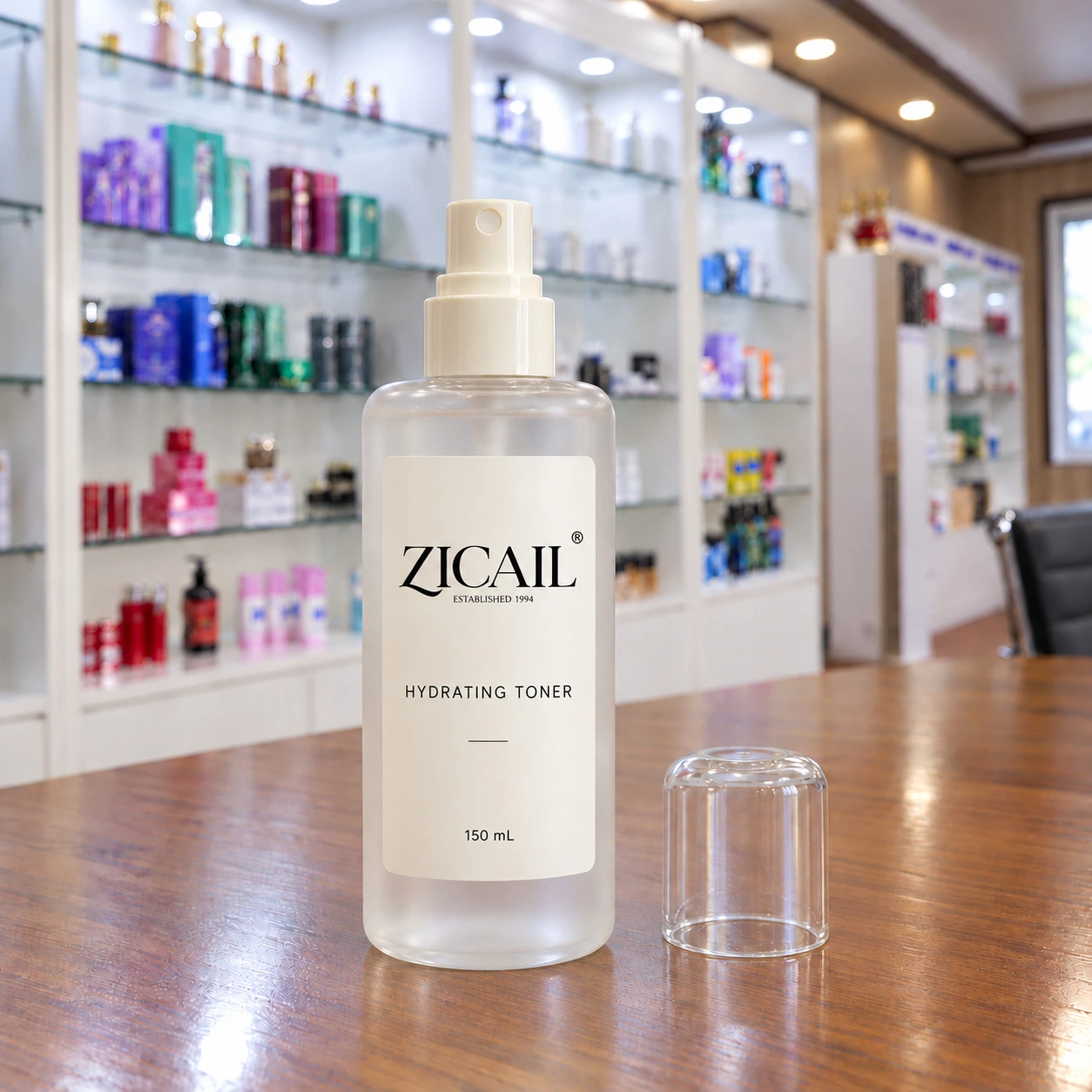
Spray Development Direction
A frosted bottle with a spray pump and separate protective cap. Evaluate spray pattern, output and formula suitability before approval.
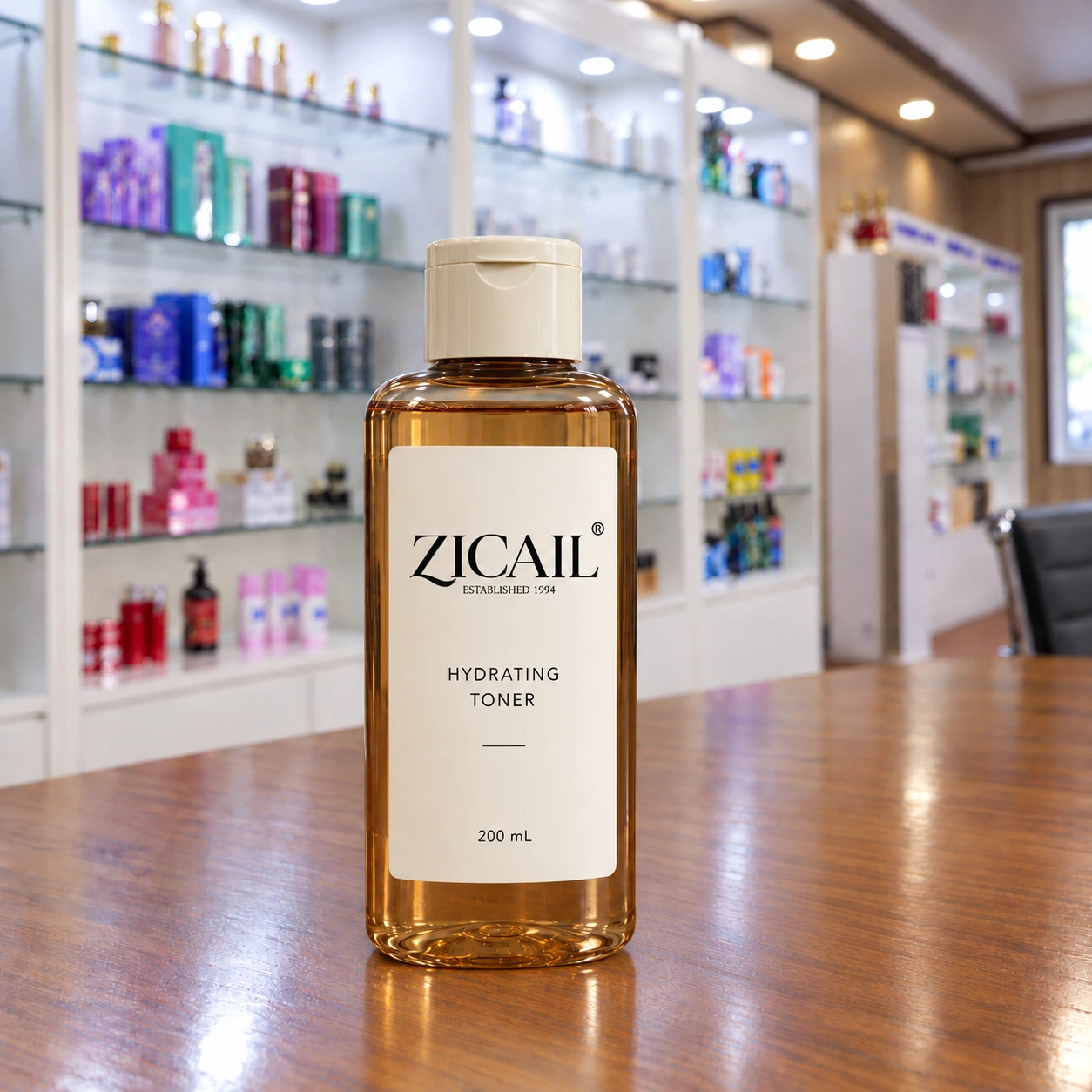
Flattened Bottle Format
An amber rectangular bottle with an ivory flip cap. Review the material, label area and dispensing method as part of the packaging brief.
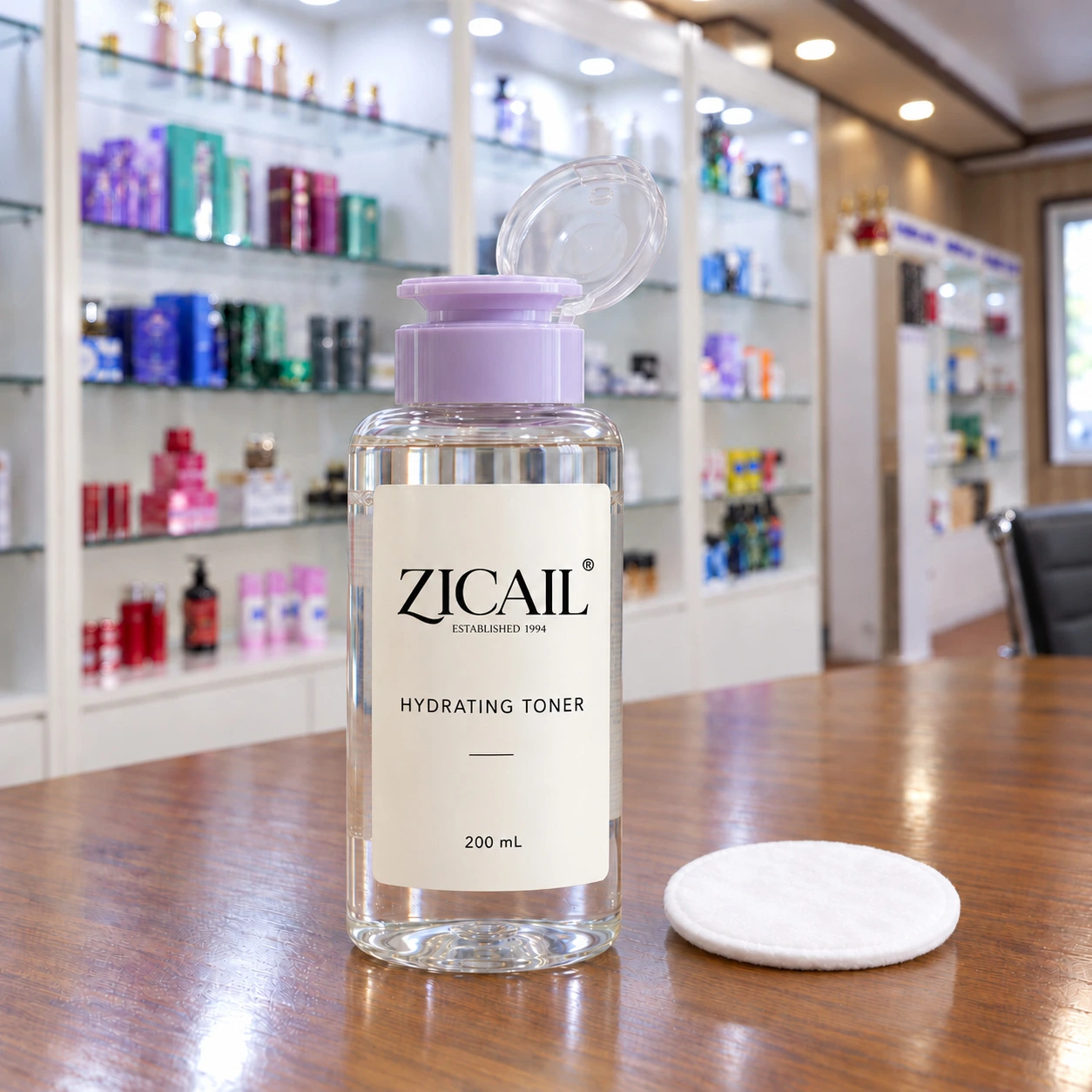
Upright Pad Application
A clear bottle with a lavender press dispenser. Compare pad wetting, delivered amount, priming and closure performance.
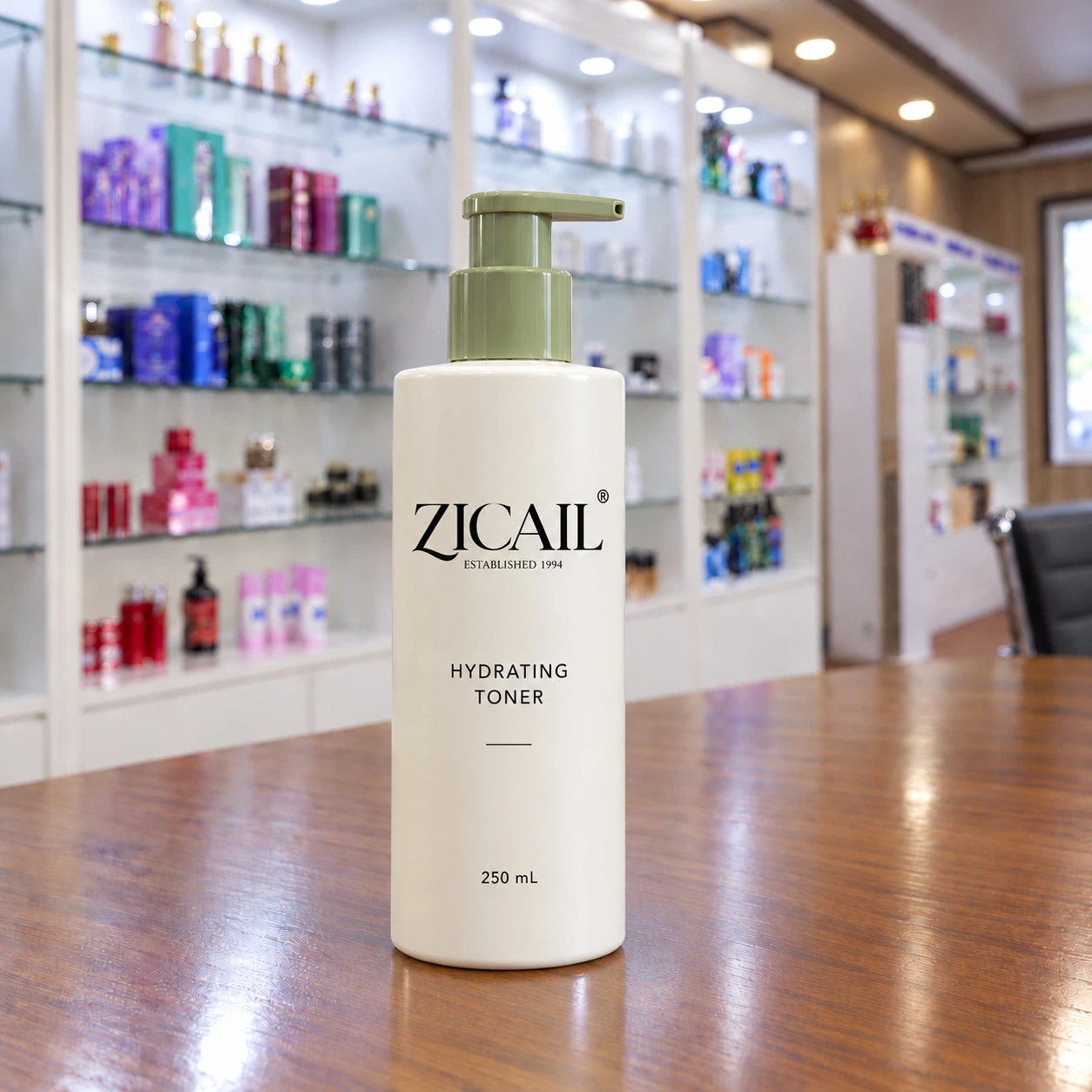
Controlled Pump Application
An ivory bottle with a sage green liquid pump. Match pump output and locking to the intended application and transport conditions.

Coordinated Size Formats
Matching full-size and travel bottles with sage green caps. Confirm fill volume, artwork and the order quantity for each size.

Refill System Direction
A clear bottle with a matching refill pouch. Develop the pouch, spout, bottle compatibility and refill instructions as one system.
These images illustrate packaging and development concepts, not eight verified formula specifications. Materials, fill volumes, ingredients, performance claims and pack availability are confirmed during sampling.
Three Ways to Develop Your Product
Choose a cooperation route according to the formula, packaging and technical information your team already has.

Start with an available toner base, then confirm the pack, artwork and agreed adjustments. Compare a sample with your brief before approving the branded specification.
Explore Private Label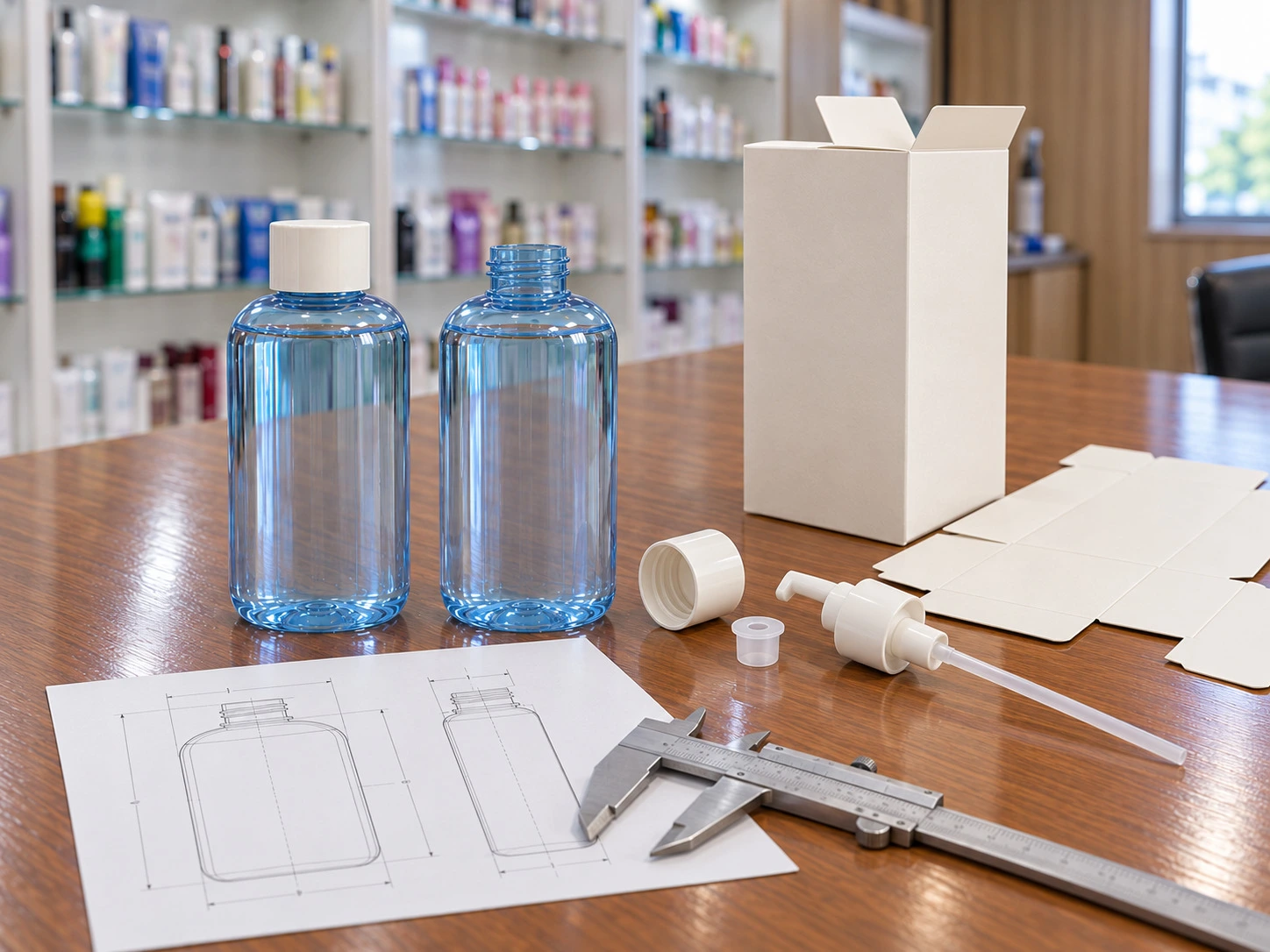
Bring a benchmark, existing specification or packaging concept. Define the formula, pack development and manufacturing work needed for your project.
Explore OEM / ODM
Develop a brief around hydration positioning, texture, after-feel and ingredient preferences. Agree the evaluation, revision and formula ownership terms before development.
Explore Custom FormulationRaw Material and Water Quality Control
Set the incoming-material and process-water requirements before comparing finished toner samples.

Confirm the selected grades, supplier information, lot identification and incoming records for the agreed formula.
Define relevant process-water checks, sampling points and handling requirements. Record the agreed chemical and microbiological criteria for the intended process.
Review humectants, fragrance or solubilizer choices, pH adjustment and preservation together. An individual ingredient specification does not replace evaluation of the finished formula.
Hydration and After-Feel Development
Compare trial formulas through a defined application routine so the preferred texture and finish can become part of the approval brief.

Compare water-light or lightly cushioned textures using the same amount and method. Record slip, drying time, tack and residue against the chosen benchmark.
Review the toner with the intended serum, moisturizer and sunscreen. Observe rubbing, repeated layers and visible residue under agreed comparison conditions.
Agree any hydration measurement, user assessment or other suitable study needed for the intended wording. A sensory comparison alone does not substantiate a duration or sensitive-skin claim.
Stability and Formula Assessment
Agree the storage conditions, observation points and acceptance limits that matter for the selected formula and market.

Track clarity, color, odor, sediment and other relevant changes alongside pH. Add viscosity or flow checks where they are meaningful for the formula.
Plan temperature and other relevant storage assessments for the formula and proposed pack. A spray, refill pouch or different bottle material may require additional checks.
Agree microbiological limits and the preservative efficacy evaluation appropriate to the formula, packaging and use. Define the scope and timing separately from initial sample preparation.
Bottle Closure and Dispensing Compatibility
Confirm the bottle, neck insert and closure as a working combination before artwork and commercial packaging are approved.

Review neck and cap matching, closure operation and agreed leakage checks. Confirm how the pack will be closed and protected for shipment.
Compare delivered amount, priming, repeat use and control with the actual toner. Spray quality and cotton-pad wetting need their own application checks.
Review contact materials, label adhesion, decoration and relevant storage changes. For a refill format, include pouch seals, spout fit and intended refill instructions.
Bulk Preparation and Filling
Connect the formula version and process instructions with material lots, bulk preparation and the selected filling setup.

Confirm the manufacturing instructions for ingredient addition, mixing, relevant temperature conditions and any applicable holding or filtration steps.
Review the agreed bulk checks before transfer. Document the material lots, production identification and relevant process observations.
Set up the line for the confirmed bottle and fill target. Coordinate filling with closure, labeling and subsequent handling in the agreed production sequence.
Approved Sample and Batch Consistency
Use a defined reference and recorded criteria to make production comparisons meaningful.

Identify the approved formula sample and its linked packaging specification. Keep a clear record of later changes and customer approvals.
Compare appearance, odor, pH and other relevant criteria under consistent preparation and observation conditions. Use instrument checks where the specification requires them.
Record results against agreed limits. Investigate differences before release and retain the approved records and samples according to the project arrangement.
Finished Product Inspection and Batch Release
Combine physical product checks with the relevant batch records before dispatch is authorized.

Review the agreed fill verification, closure condition and relevant leakage or dispensing checks for the finished pack.
Check artwork version, placement, batch identification and legibility. Confirm that the finished SKU matches its approved packaging specification.
Review applicable formula, production and inspection records together. Define the release criteria and any batch documents required for your destination market.
Retail Packing and Shipping Preparation
Coordinate retail cartons, shipping protection and shipment identification with the bottle format and delivery requirements.

Confirm the bottle, label and carton combination for each SKU. Check that the selected pack fits and can be closed without damaging the product.
Agree carton quantity, internal protection and relevant transport checks. A bottle, spray pack and refill pouch may need different protection arrangements.
Coordinate shipping marks, quantity records and the agreed packing documents. Confirm the delivery terms and destination before arranging shipment.
Factory Documents and Market Support
Review current factory documents alongside the product-specific work needed for the destination market. Agree responsibilities, scope and costs before launch.
Agree the ingredient information, specifications and other formulation documents your responsible parties need for market review.
Identify the microbiological, stability, packaging and claim-support work relevant to the finished formula and its intended use.
Coordinate artwork information and the documents requested by the relevant importer or market representative. A factory document does not replace product-specific review.
Request current documents and confirm their scope. FDA facility registration does not constitute FDA approval of a facility or product.
Explore the Toner Range
Compare milky textures, exfoliating formula directions and pre-soaked pads to find the toner format that fits your brand and product range.