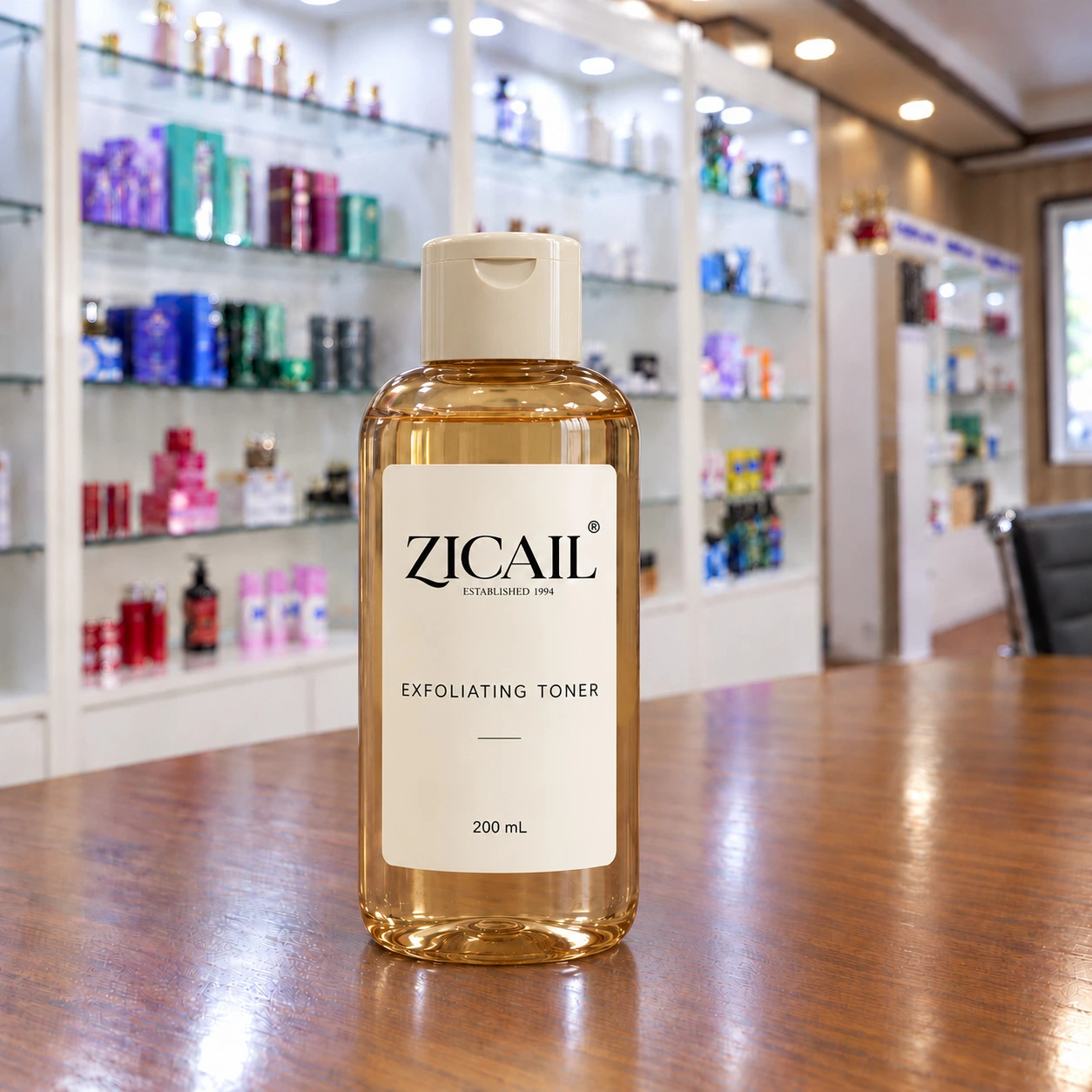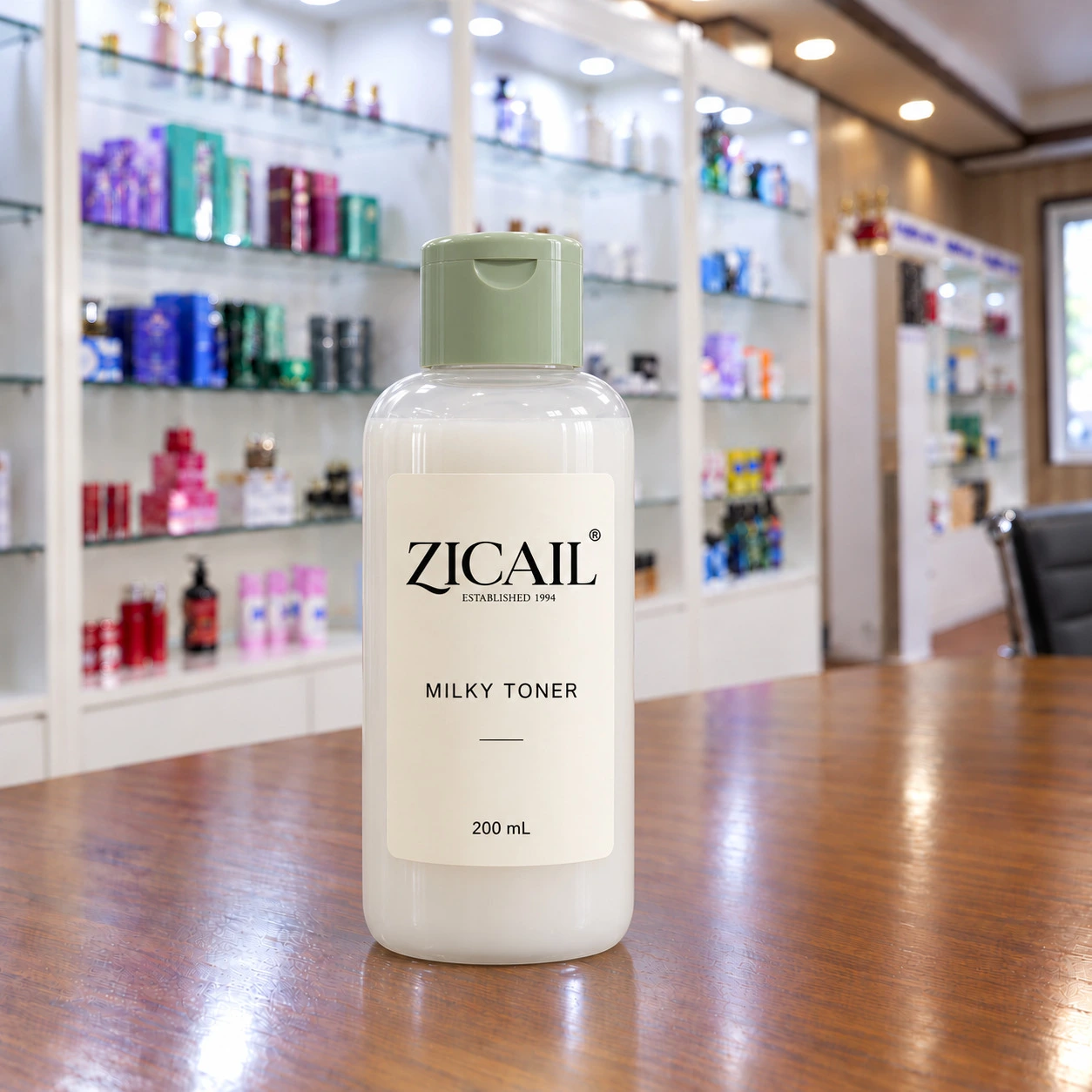
Private Label · OEM / ODM · Custom Formulation

Private Label Milky Toner Manufacturer

Develop a milky toner with the flow, soft finish and packaging your brand needs. ZICAIL connects formula sampling with emulsion development, stability assessment, dispensing checks and manufacturing. Start with an available base or bring your own benchmark.

Worker monitoring milky toner filling into open bottles on a production line

Define how light the texture should feel, how it spreads and what remains after application. Review the formula in its intended bottle before approving the commercial specification.

Milky Texture DevelopmentFormula and PackagingSampling and Manufacturing
1,000–3,000 pcsStarting MOQ

Packaging and customization determine the final project minimum.

5–7 daysFormula Samples

Typical initial preparation after the formula brief is agreed. Custom development and revisions may take longer.

7–10 daysCarton Production Samples

Physical paper-carton samples after specifications and artwork are confirmed.

25–30 daysBulk Production

After production approval and required components are ready. Shipping time is additional.

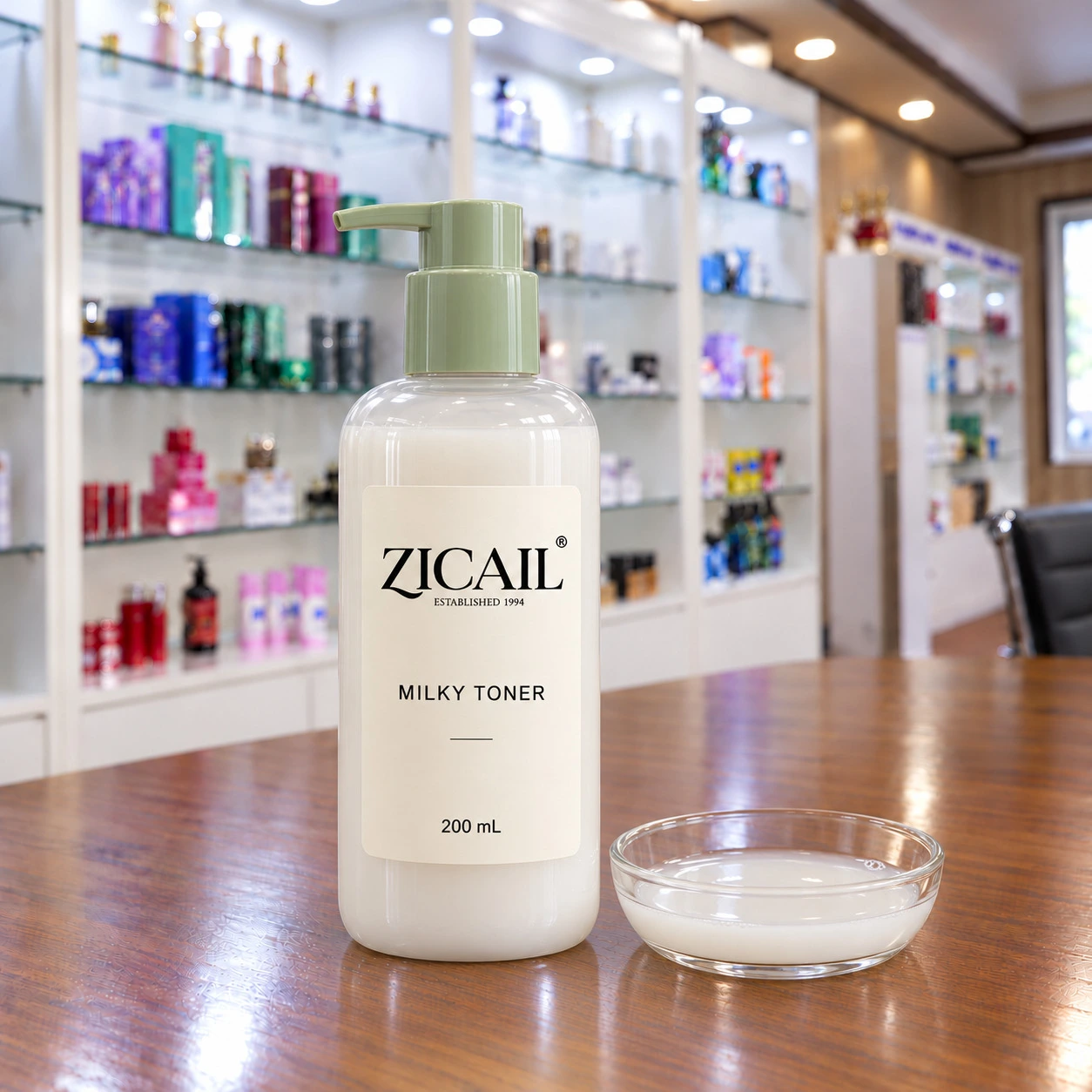
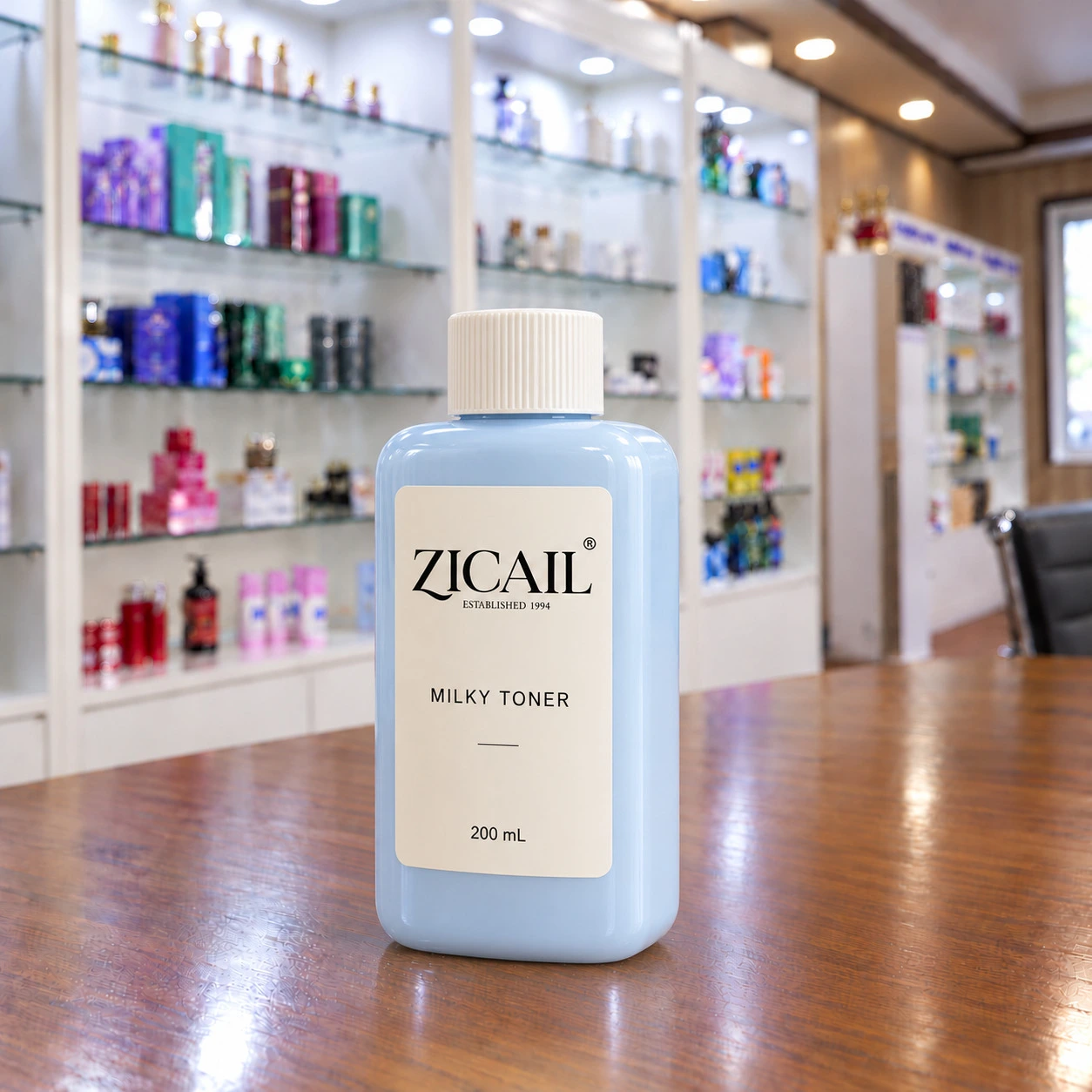
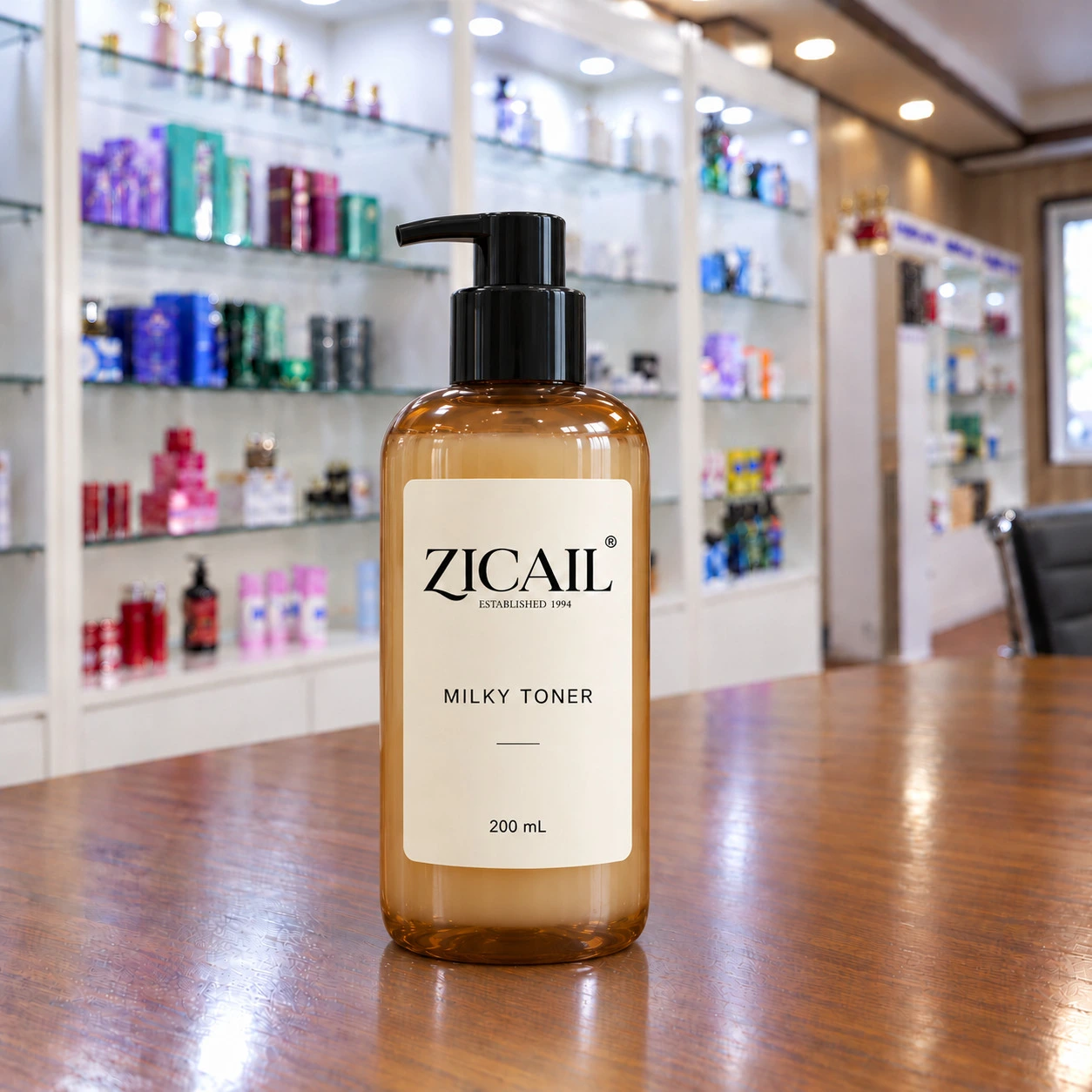
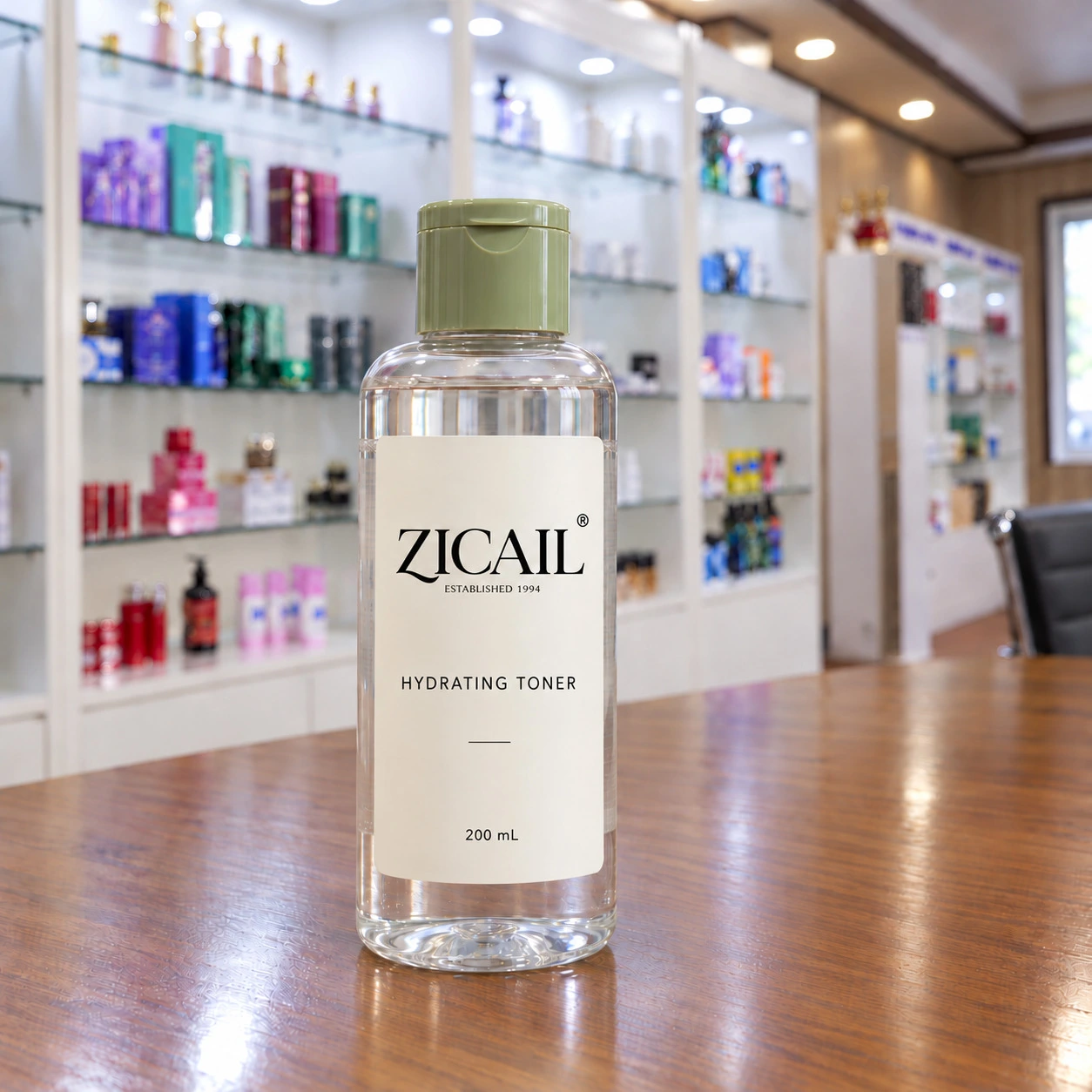
Eight Packaging Concepts

Explore Milky Toner Bottle and Refill Formats

Compare packaging directions for your product brief. These concepts show different packs, not eight confirmed formulas or ready-to-ship products.

Define the Product Experience

Set the Role of Your Milky Toner

Agree the texture and routine before choosing individual ingredients or a bottle design.

A Flowing Milky Texture

Define a fluid, softly cushioned toner rather than assuming that a thicker product is better. Compare spread, drying time and the finish against your chosen reference.

Hands or Cotton Pads

Decide how the product will be applied and how much is needed. The same formula can behave differently through a flip cap, liquid pump or cotton-pad press dispenser.

Positioning and Layering

Choose the intended user, hydration positioning and place in the routine. Review the feel with representative serums, moisturizers and sunscreen before final approval.

Three Development Routes

Choose the Starting Point for Your Milky Toner

Match the cooperation route to the formula, packaging and technical information your team already has.
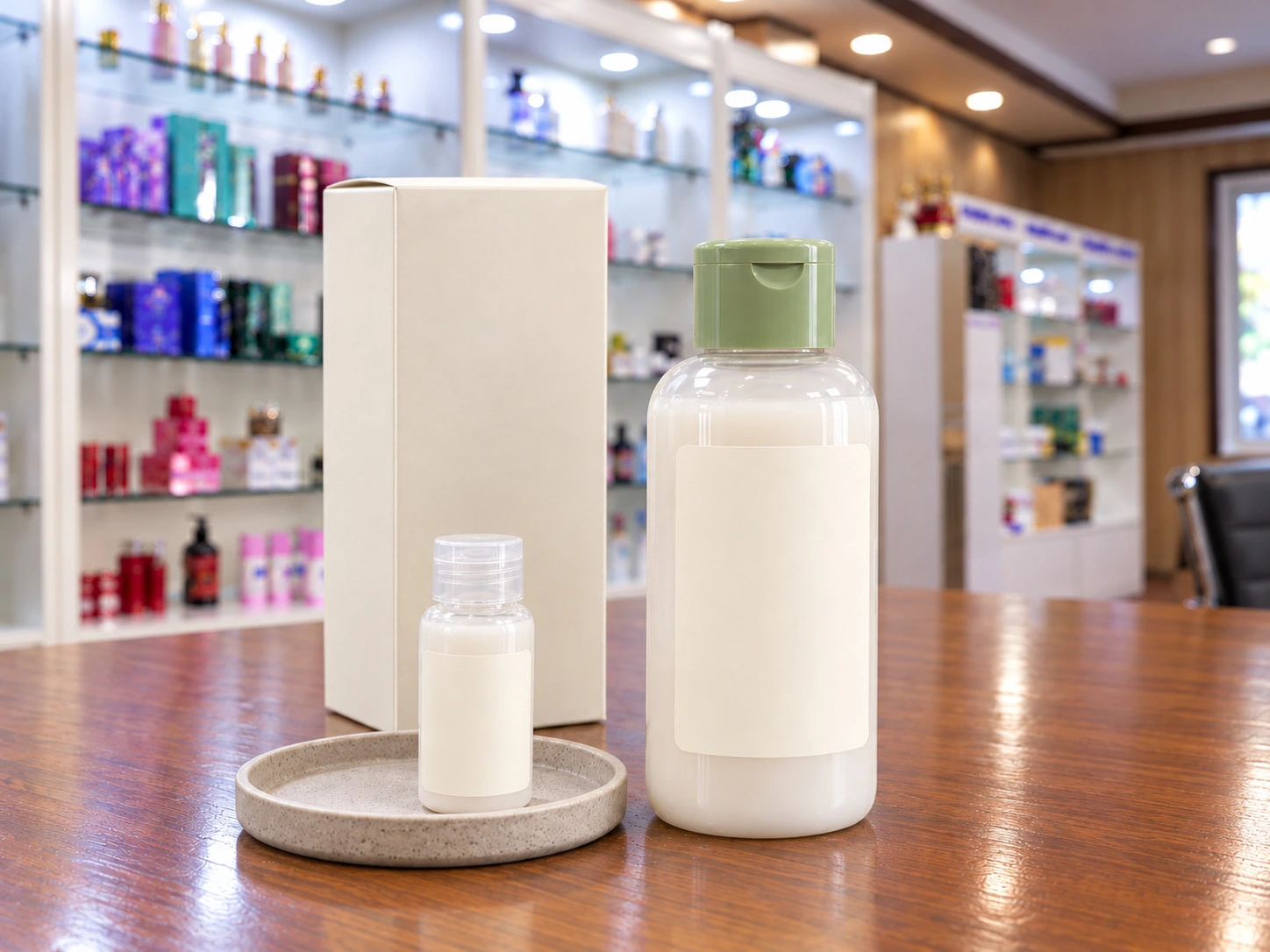
Private label milky toner bottle with a trial sample and blank retail carton

Private Label

Start with an available milky toner base and review a sample against your benchmark. Confirm the agreed formula adjustments, bottle, label and retail carton before production.

Explore Private Label
Milky toner OEM and ODM packaging samples with bottles and matching cartons

OEM / ODM

Bring your formula specification, benchmark or packaging concept. Define the development and manufacturing work needed, including pack sourcing, sample review and commercial approval.

Explore OEM / ODM
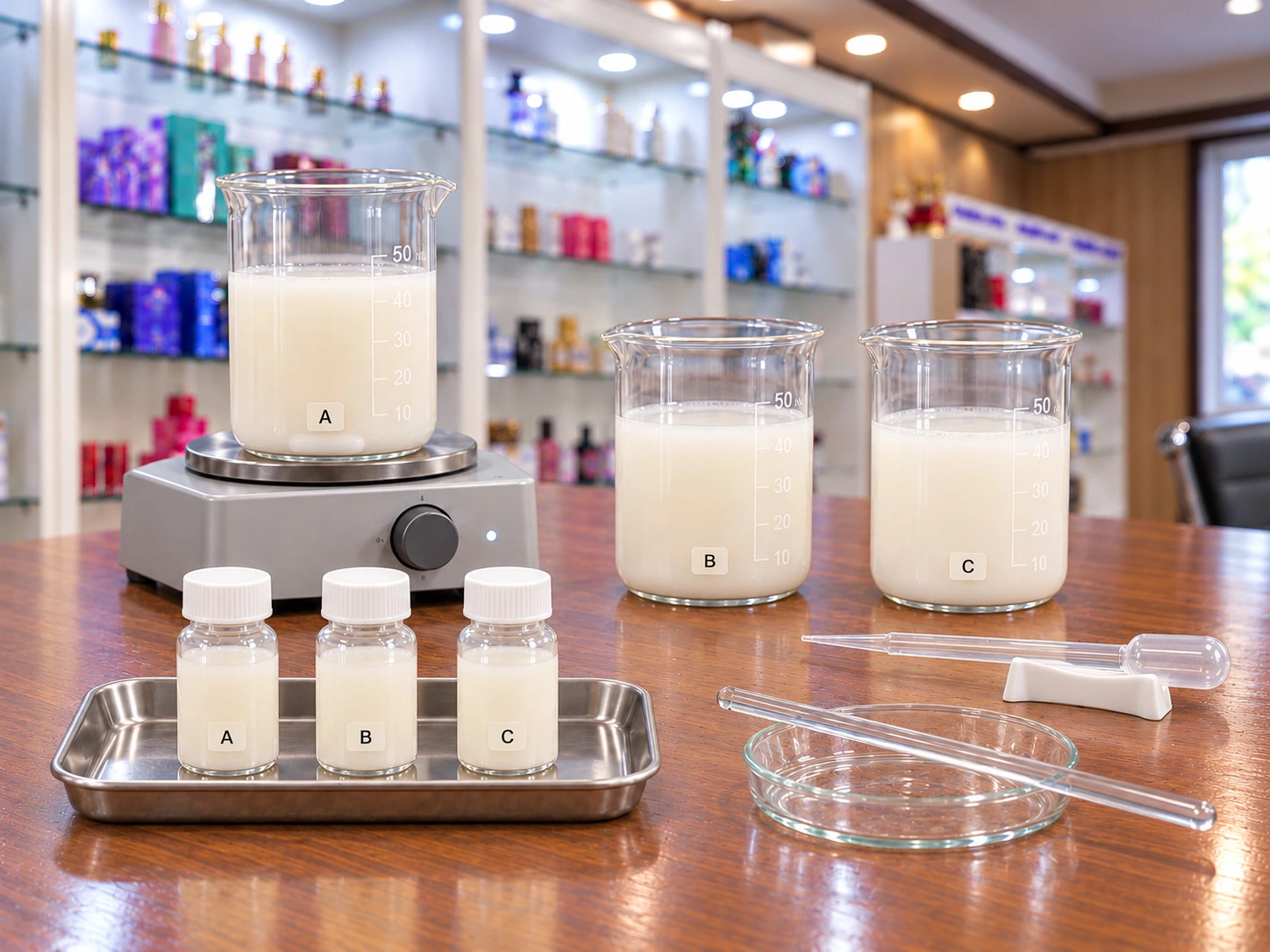
Custom milky toner formulation trials with beakers and matching sample bottles

Custom Formulation

Develop a milky texture around your preferred flow, cushion, after-feel and ingredient brief. Agree the revision process, evaluation plan and formula ownership terms before development.

Explore Custom Formulation

Six Decisions to Confirm

Define Your Milky Toner Formula and Pack

Turn your benchmark and brand positioning into a clear sampling brief.

Humectants and Emollients

Discuss the balance of humectants and suitable emollients for your target feel. Review preferred ingredients within the complete formula, stability plan and cost brief.

Flow and After-Feel

Define pourability, cushion, slip, tack and residue. Use the same application amount and comparison routine when reviewing formula samples.

Fragrance and Ingredient Preferences

Specify fragrance-free development, ingredient exclusions or sourcing preferences. Review the full ingredient list before using vegan, milk-free or similar wording.

Milky Appearance

Set the preferred opacity, color and odor. Agree how uniform the product should look and which storage changes need investigation.

Bottle and Dispensing

Choose the fill size, bottle, closure and dispensing method together. Test the actual formula through the selected opening or pump.

Claims and Market Presentation

Confirm the sales market, planned claims, artwork and label languages. Include the evidence and documentation requirements in the project brief.

Raw Material and Water Quality Control

Build the Formula from Traceable Materials

Connect the selected ingredient grades and process water with receiving records and the approved formula.

Researcher reviewing raw materials and water sample records for milky toner
  • Ingredient Identity and Lots

    Confirm the agreed grades of humectants, emollients, emulsifying materials and other ingredients. Link incoming samples and supplier information to their lot records.

  • Water Sampling and Handling

    Define the relevant process-water sampling points, handling and chemical and microbiological checks for the intended manufacturing process.

  • Changes That Need Review

    Review supplier or grade changes for their effect on appearance, odor, texture and preservation. An incoming-material specification does not replace finished-formula evaluation.

Milky Texture and Sensory Development

Develop a Light Milky Texture with the Finish You Want

Compare trial formulas for flow, softness and residue before choosing the reference sample.

Researcher assessing milky toner spread and skin feel on the back of a hand
  • Balance Body and Pourability

    Adjust the formula structure around the intended milky appearance and fluidity. Compare a light, flowing texture with a more cushioned direction without judging performance by thickness alone.

  • Compare Spread and Dry-Down

    Use a defined amount and application method to assess slip, tack and the feel after drying. Record the differences that guide the next sample revision.

  • Review the Intended Routine

    Compare repeat application and layering with representative products from the intended routine. Agree any hydration or other claim-support study separately from sensory sample review.

Stability and Formula Assessment

Follow Milky Appearance and Flow through Storage

Agree the storage conditions, observation points and acceptance criteria for the selected formula and pack.

Researcher comparing stored milky toner samples for appearance and uniformity
  • Uniformity and Appearance

    Compare stored samples with the reference for changes in opacity, color, odor and visible separation. Record sediment, creaming or other changes where relevant to the formula.

  • pH and Viscosity Trends

    Track pH and meaningful viscosity or flow changes using agreed methods. Keep sample preparation, measurement conditions and comparison timing consistent.

  • Microbiology and Preservation

    Define the microbiological limits and preservative efficacy evaluation for the formula, pack and intended use. Confirm the schedule separately from initial sample preparation.

Bottle Closure and Dispensing Compatibility

Check How the Milky Formula Leaves the Bottle

Evaluate the formula and dispensing system together before confirming the commercial packaging.

Researcher checking milky toner flow from a flip cap bottle into a beaker
  • Flow through the Actual Opening

    Compare the delivered amount and control through the chosen flip cap or neck insert. Review residue around the opening and the experience of repeated use.

  • Pump and Pad-Dispenser Performance

    Check priming, repeat output, closure operation and usable product recovery. A cotton-pad press dispenser needs its own wetting and residue assessment with the milky formula.

  • Seal, Contact Materials and Refills

    Review pack contact materials, closure fit, leakage and decoration under the agreed conditions. Include pouch seals, spout fit and refill instructions when developing a refill format.

MOQ, Cost and Launch Planning

Make the Quotation Specific to Your Toner Project

An available bottle and a custom pump or refill system can have different development work and component minimums. Define the project before comparing quotations.

Information that helps us prepare a project quotation
DecisionWhat to ShareWhy It Matters
Product & MarketTarget country, user, positioning, claim wording and intended routine.Sets the evaluation and documentation scope.
Formula & BenchmarkReference product, preferred after-feel, ingredient requirements and fragrance direction.Defines the starting point and expected development work.
Packaging & ArtworkFill volume, bottle material, closure, decoration, label and carton specification.Affects component availability, minimums and cost.
Order & DeliveryQuantity per SKU, size variants, launch date and delivery destination.Allows the quotation to state its scope and scheduling assumptions.

From Brief to Production Approval

Move from the Brief to an Approved Commercial Specification

Keep formula, packaging and artwork approvals connected so that the production team works from the same agreed version.

  1. 01

    Agree the Brief

    Confirm market, benchmark, texture, claims, ingredient preferences, quantity and packaging direction.

  2. 02

    Review Formula Samples

    Compare trials and record requested changes. Initial sample preparation typically takes 5–7 days after the brief is agreed.

  3. 03

    Confirm the Working Pack

    Evaluate the selected milky formula with the bottle, insert and closure. Confirm fill volume and artwork dimensions.

  4. 04

    Approve Artwork & Carton Samples

    Review physical carton production samples, typically prepared in 7–10 days after specifications and artwork approval.

  5. 05

    Approve the Commercial Specification

    Sign off the formula reference, pack components, artwork, quality criteria and agreed production and document requirements.

  6. 06

    Schedule Bulk Production

    Plan production after approval and required components are ready. The reference bulk lead time is 25–30 days; shipping is additional.

These timings describe separate stages. Development revisions, evaluation, component supply and customer approvals can extend the full project schedule.

Bulk Preparation and Filling

Carry the Milky Texture from Samples into Production

Link the approved formula version with material lots, process instructions and bulk checks before filling.

Operator monitoring bulk milky toner preparation and closed material transfer
  • Mixing and Temperature Control

    Define ingredient addition, mixing and relevant heating or cooling stages for the approved formula. Review scale-up conditions rather than assuming that laboratory settings transfer unchanged.

  • Bulk Review and Closed Transfer

    Check the agreed bulk appearance, pH and viscosity or flow before transfer. Record the batch identity, relevant process observations and handling conditions.

  • Filling and Closure Setup

    Set the filling process for the selected bottle and milky formula. Coordinate the fill target, closure, labeling and subsequent handling with the approved packaging specification.

Approved Sample and Batch Consistency

Compare the Batch with the Approved Milky Toner Reference

Use an identified reference sample and agreed methods to assess the attributes that define your product.

Researcher comparing milky toner reference and batch samples with a viscometer
  • Reference and Specification

    Link the approved sample to the formula version, packaging and recorded acceptance criteria. Review any later formula or component change before production.

  • Viscosity under Defined Conditions

    Where viscosity is specified, agree the instrument setup, sample temperature, preparation and reading conditions. Compare reference and batch samples using the same method.

  • Appearance and Sensory Comparison

    Review milky uniformity, color, odor, pH and relevant use characteristics alongside the instrument results. Investigate differences against the agreed specification before release.

Finished Product Inspection and Batch Release

Review the Finished Pack and Its Batch Records

Connect product inspection with the manufacturing and quality records required for the agreed release process.

Inspector checking a finished milky toner bottle on a bench scale
  • Fill and Closure Checks

    Verify the fill target using the agreed method and sampling plan, accounting for packaging tare where applicable. Check the closure condition and record the relevant inspection results.

  • Pack Identity and Function

    Inspect the approved label, retail carton, batch code and closure condition. Include the relevant leakage or dispensing checks for the selected pack.

  • Batch Release Review

    Review the applicable production, inspection and test records against the agreed criteria. Confirm the batch documents required before dispatch is authorized.

Retail Packing and Shipping Preparation

Prepare the Milky Toner Pack for Delivery

Coordinate the bottle, retail carton and shipping protection for each approved SKU.

Worker placing a milky toner bottle into a retail carton on a packing line
  • Retail Carton Fit

    Confirm that the bottle and closure fit the retail carton and any insert. Check the pack can be closed without pressing on the dispenser or damaging decoration.

  • Transport Protection

    Agree shipping carton quantities, internal protection and relevant transport checks. Pumps, travel sizes and refill pouches may need different packing arrangements.

  • Shipment Identification

    Confirm quantity records, shipping marks and the agreed packing documents. Coordinate the delivery destination and terms before arranging shipment.

Factory Documents and Market Support

Plan the Documents Your Sales Market Requires

Review current factory documents alongside the product-specific work needed for the destination market. Agree responsibilities, scope and costs before launch.

Formula & Ingredient Information

Agree the ingredient information, specifications and other formulation documents your responsible parties need for market review.

Testing & Product Claims

Identify the microbiological, stability, packaging and claim-support work relevant to the finished formula and its intended use.

Label & Market Preparation

Coordinate artwork information and the documents requested by the relevant importer or market representative. A factory document does not replace product-specific review.

Request current documents and confirm their scope. FDA facility registration does not constitute FDA approval of a facility or product.

After-Sales Support and Reorders

Keep Product Questions Traceable after Delivery

A useful issue report starts with the batch and packaging details. Keep the project specification available for investigation and future orders.

Report the Issue Clearly

Share the batch code, affected quantity, photos or video, and the storage or transport conditions. Preserve representative units for review where practical.

Review the Evidence

The project team can compare the issue with agreed records and retained samples where available, then discuss findings and appropriate corrective action.

Confirm the Next Order

Review the formula version, component availability, artwork and any requested change before a reorder. Reconfirm changes that affect the approved specification.

Questions from Skincare Brands

Milky Toner Manufacturing FAQs

Clarify the formula, packaging, evaluation and commercial requirements before beginning development.

What is the MOQ for private label milky toner?

The starting MOQ is typically 1,000–5,000 pcs. The final minimum depends on the formula, bottle, closure, decoration and carton requirements. Separate sizes or packaging variants may have separate minimums.

How long do samples and bulk production take?

Initial formula samples typically take 5–7 days after the brief is agreed. Physical carton production samples typically take 7–10 days after specifications and artwork approval. Bulk production typically takes 25–30 days after production approval and component readiness. Custom development, testing, revisions and shipping may add time.

Can we customize the milky texture and after-feel?

Yes. Share a benchmark and define the preferred flow, cushion, spread, tack and finish. The complete formula can then be reviewed through samples, with the selected version evaluated in its intended packaging.

Does milky toner have to contain milk?

No. Milky describes the appearance and texture; it does not by itself identify an ingredient. Specify any milk-derived ingredient exclusions in the brief and review the full ingredient list and sourcing information before approving milk-free or vegan wording.

How do you assess separation and viscosity changes?

Agree the storage conditions, observation points and acceptance criteria for the formula and pack. Compare appearance, odor, pH and relevant viscosity or flow changes. Define the viscosity method and measurement conditions so reference and stored samples can be compared meaningfully.

Can a milky toner use a flip cap, pump or cotton-pad press dispenser?

Each formula and dispenser combination needs evaluation. Review pouring control or pump output, priming, residue, repeat use and closure performance. A packaging concept does not establish compatibility with every milky toner formula.

Can you develop fragrance-free formulas and support hydration claims?

Fragrance-free development and hydration positioning can be included in the brief. Define the exact wording, target market and intended users. Agree the finished-product evidence and any additional evaluation needed; sensory sample review alone does not substantiate hydration duration or sensitive-skin claims.

Who owns a custom milky toner formula?

Ownership, exclusivity, disclosure and permitted use depend on the written development agreement. Confirm these terms before custom formulation begins; selecting an available base does not automatically grant exclusive ownership.

Can we develop travel sizes and refill pouches?

Yes, these formats can be reviewed as part of the packaging brief. Confirm the formula compatibility, closure or spout, fill volume, artwork and order quantity for each format. Include the intended refill process and relevant handling or transport checks.

What information do you need for a quotation?

Send your target market, order quantity per SKU, fill volume, preferred packaging, formula benchmark, ingredient requirements and launch date. Include artwork or bottle references if available so the quotation can state its assumptions and scope.

Tell Us What You Want to Develop

Bring Your Milky Toner Brief to ZICAIL

Send your benchmark, preferred milky texture, sales market, packaging direction, quantity and launch target. We can help define the next sampling and quotation steps.

zicai customer support team - <trp-post-container data-trp-post-id='5937'>Retinol vs Retinal: Which Retinoid Is Better for Skin?</trp-post-container>
zicai factory quality control and productoin team photo - <trp-post-container data-trp-post-id='5937'>Retinol vs Retinal: Which Retinoid Is Better for Skin?</trp-post-container>

Start Your Skincare Project

Tell us your product idea, target market, and packaging needs. Our team will help you choose a practical development path.

zicai customer support team - <trp-post-container data-trp-post-id='5937'>Retinol vs Retinal: Which Retinoid Is Better for Skin?</trp-post-container>