


Sunscreen Reapplication Rules by Situation
How often you need to reapply sunscreen depends on sun exposure, water, sweat, friction, and the product label. Do not judge timing by SPF number alone. SPF 50 still needs reapplication.
| Situation | When to Reapply | What to Do |
|---|---|---|
| Normal outdoor time | Every 2 hours | Reapply evenly to all exposed skin. Count from your last application, not only from when you leave home. |
| Swimming | After 40 or 80 minutes, based on the water-resistant label | Dry your skin when possible, then reapply. Reapply sooner after towel drying. |
| Heavy sweating | Sooner than 2 hours | Use water-resistant sunscreen for sports, running, humid weather, or outdoor work. Reapply after heavy sweat. |
| Towel drying | Immediately after toweling off | Towel friction can remove sunscreen, even if the product is water-resistant. |
| Beach or pool day | Every 40–80 minutes if wet or sweating | Use water-resistant lotion, cream, or spray. Rub in spray sunscreen after applying. |
| Office indoors | Not always every 2 hours | Reapply before outdoor lunch, errands, afternoon commute, or long window exposure.[4] |
| Driving / window exposure | Before or during long exposure | Reapply before a long drive or extended time near strong window light. |
| Makeup wear | When outdoor exposure continues or protection needs a touch-up | Blot oil first, then use a stick, compact, cushion, mist, powder, or sponge with lotion sunscreen. |
| Kids outdoors | Every 2 hours and after water, sweat, or towel drying | Reapply with adult help. Cover ears, neck, hands, and other exposed areas. Use shade, hats, and clothing too. |
| Travel or sightseeing | Before long outdoor blocks | Reapply before walking tours, outdoor photos, transit, beaches, parks, or long sightseeing periods. |
A few rules make reapplication more effective:
- Use enough product: A tiny dab on the nose or cheeks will not give reliable protection.
- Cover easy-to-miss areas: Remember ears, hairline, neck, hands, feet, and lips.
- Treat powder and mist as touch-ups: They can help over makeup, but they are not the strongest choice for long, direct sun.
- Rub in sprays: Spray sunscreen should be rubbed in for a more even layer.
- Reapply after towel drying: Do this even when the sunscreen is water-resistant.
If you are unsure, look at what has happened since your last application. Outdoor exposure, water, sweat, towel drying, face wiping, mask friction, long driving, or strong window light are signs that you should reapply.
Why Sunscreen Needs to Be Reapplied
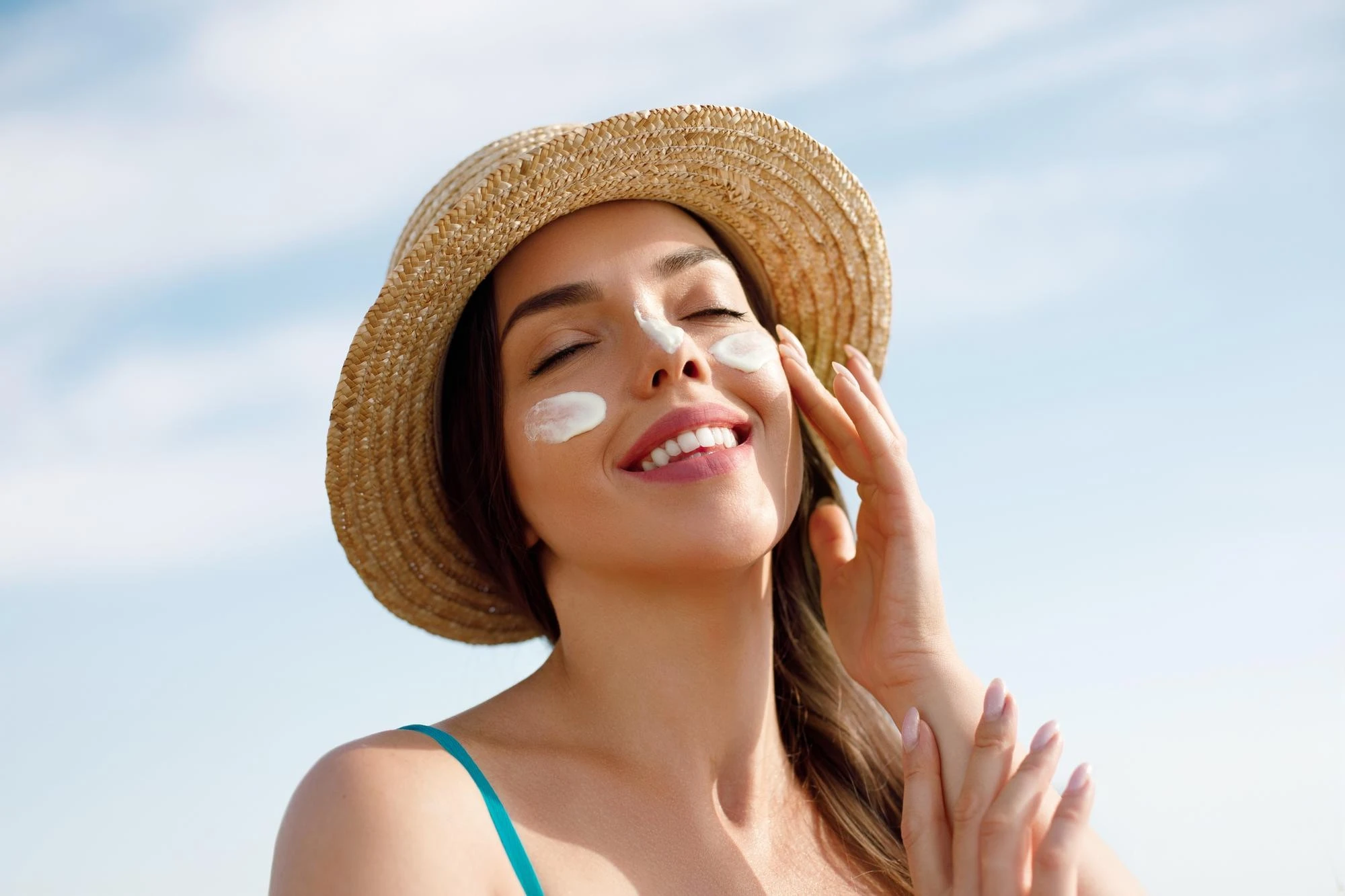
Sunscreen works by forming a protective film on the surface of your skin. Reapplication matters because that layer can become thinner, patchy, or partly removed during normal daily activity, not because sunscreen suddenly “expires” after a set time.[1][3]
Applying enough sunscreen, spreading it evenly, and reapplying at the right time matter more than choosing a high SPF and forgetting about it.
Common things that weaken the sunscreen layer include:
- Water and sweat: Swimming, sweating, and humid weather can reduce even coverage.
- Friction: Towels, masks, clothing, hands, and face wiping can remove sunscreen from the skin.
- Skin movement and oil: Facial expressions, natural oils, and daily activity can make the film less even over time.
Common Sunscreen Reapplication Mistakes
Most sunscreen mistakes happen because people apply too little, wait too long, or forget the situations that remove sunscreen from the skin.
- Applying once in the morning: Reapply during outdoor exposure, especially later in the day.
- Trusting high SPF for longer wear: SPF 50 does not mean you can wait longer to reapply than SPF 30.
- Treating water-resistant as waterproof: Water-resistant sunscreen still needs reapplication after swimming, sweating, or towel drying.<sup?[3]
- Waiting too long after water or sweat: Reapply sooner when your skin is wet, sweaty, or rubbed.
- Using too little product: A small touch on the nose or cheeks is not enough.
- Missing common areas: Ears, hairline, back of neck, hands, feet, and lips are easy to forget.
- Relying only on SPF makeup: Makeup with SPF can help, but it is rarely applied thickly enough to replace sunscreen.
- Ignoring cloudy, cold, or driving days: UV exposure can still matter when the sun feels less intense.
- Using expired sunscreen: Replace sunscreen that is expired, separated, watery, gritty, or smells unusual.


