


Key Comparison Table
Use this table for a quick first comparison. You should still verify each supplier’s formula, testing, MOQ, documentation, and production support before making a decision.
| Factor | Local Manufacturer | China Manufacturer |
|---|---|---|
| Cost | Often higher | Often more flexible |
| MOQ | May be higher or stricter | Often more flexible by project |
| Packaging | Easier local sourcing | Broader packaging variety |
| Customization | Good, but may cost more | Strong OEM/ODM flexibility |
| Communication | Easier same-region contact | Needs clear project management |
| Compliance | Local market familiarity | Needs target-market review |
| Best for | Local-positioned brands | Custom/private label scaling |
When a Local Sunscreen Manufacturer Makes More Sense
A local sunscreen manufacturer can be the better choice when local production supports your brand story, sales channel, or compliance strategy. For some brands, “locally made” is part of the product positioning.
Local manufacturing may make more sense when:
- Local-made positioning matters. If your brand uses local production as a trust signal, a nearby manufacturer can support that story more clearly.
- You need closer communication. Same-region communication, easier site visits, and face-to-face meetings can make project coordination simpler.
- Your target market has complex local requirements. A local partner may be more familiar with local testing expectations, documentation habits, and retailer questions.
- You want faster physical review. Packaging samples, texture checks, and production visits are easier when the factory is nearby.
- Your budget supports local production. Local manufacturing can work well for brands that value domestic supply chain credibility over maximum cost flexibility.
Local manufacturing may be less ideal for cost-sensitive, packaging-heavy, or highly customized OEM/ODM projects.
When a China Sunscreen Manufacturer Makes More Sense
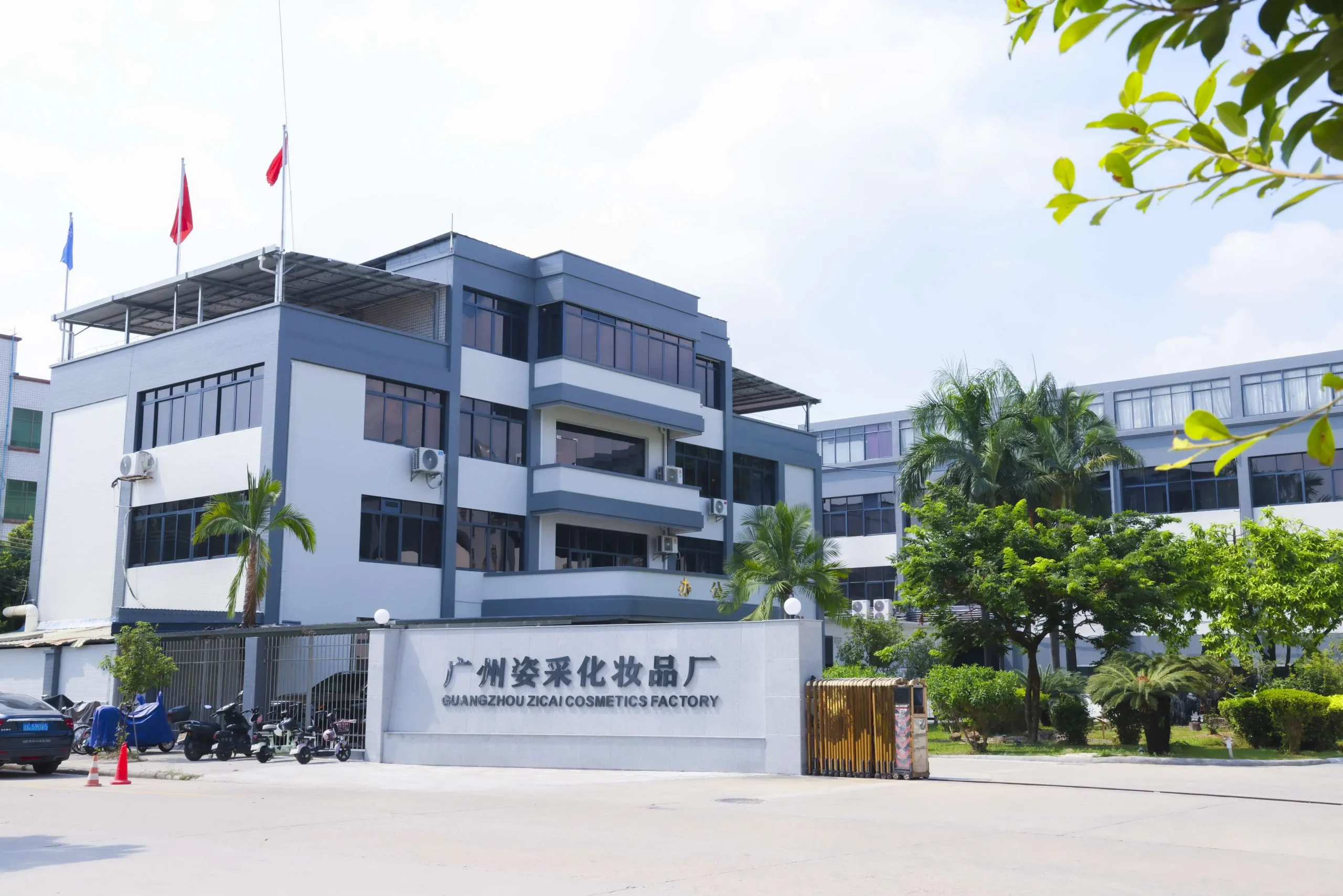
A China sunscreen manufacturer can be a strong option when your brand needs more flexibility in formulation, packaging, sampling, and production. It is especially relevant for private label sunscreen, custom development, and wider packaging choices.
China manufacturing may make more sense when:
- You need OEM/ODM flexibility. China manufacturers often support private label sunscreen, custom formulation, packaging customization, and bulk production together.
- You want more formula options. A capable China supplier may support mineral sunscreen, chemical sunscreen, hybrid sunscreen, tinted SPF, body sunscreen, and daily facial SPF.
- Packaging variety matters. Tubes, bottles, pumps, sticks, airless packaging, travel sizes, and outer boxes are often easier to source and customize through China’s beauty supply chain.
- You want better cost control. China manufacturing can be practical for brands that need to balance formula quality, packaging presentation, and total launch budget.
- You are building multiple SKUs. If you plan to launch a sunscreen line rather than one product, China’s OEM/ODM model can support wider product and packaging combinations.
Choosing China manufacturing does not mean lowering standards. Still check SPF testing support, documentation, formula capability, quality control, and target-market experience.
Cost, MOQ, and Launch Flexibility
Cost and MOQ are often where local and China manufacturers feel most different. The right choice depends on whether your priority is local production value, launch speed, customization, or cost control.
| Factor | Local Manufacturer | China Manufacturer |
|---|---|---|
| Cost structure | Often higher due to local labor and overhead | Often more flexible across formula and packaging choices |
| MOQ | May be stricter for custom sunscreen projects | Often more flexible by formula, packaging, and order plan |
| Stock formula | Useful for faster local launches | Useful for lower-risk private label starts |
| Modified formula | May cost more to adjust | Often practical for texture, scent, packaging, or positioning changes |
| Full custom formula | Strong when local control matters | Strong when OEM/ODM customization and cost control matter |
For a first launch, a stock or lightly modified sunscreen formula is often lower risk. For a premium or highly differentiated SPF product, custom development may justify the extra time and testing. Choose the path that fits your launch stage, target market, and product complexity, not just the cheapest option.
Formula, Packaging, and Customization Capability

Formula and packaging flexibility is one of the biggest differences between local manufacturing and China OEM/ODM production. Local manufacturers can support domestic positioning, while China’s beauty supply chain is often more attractive for wider customization and faster SKU development.
- Formula range: A capable China sunscreen manufacturer may support mineral sunscreen, chemical sunscreen, hybrid sunscreen, tinted sunscreen, SPF moisturizer, body sunscreen, and daily facial SPF.
- Product formats: Ask whether the supplier can produce lotions, creams, sprays, sticks, tubes, bottles, pumps, and airless packaging options.
- Packaging customization: China manufacturers often have access to broader packaging networks, which can help with custom bottles, tubes, caps, pumps, travel sizes, and outer boxes.
- Branding support: Label design, box design, logo application, printing, and packaging matching can be easier when the manufacturer has integrated private label support.
- Sample development: If you are comparing several textures, scents, finishes, or packaging ideas, sample speed and revision support matter.
- SKU expansion: China manufacturing can be practical when you want to build a full sunscreen line, such as facial SPF, body SPF, tinted SPF, and travel-size products together.
Testing, Compliance, and Documentation: Do Not Skip This
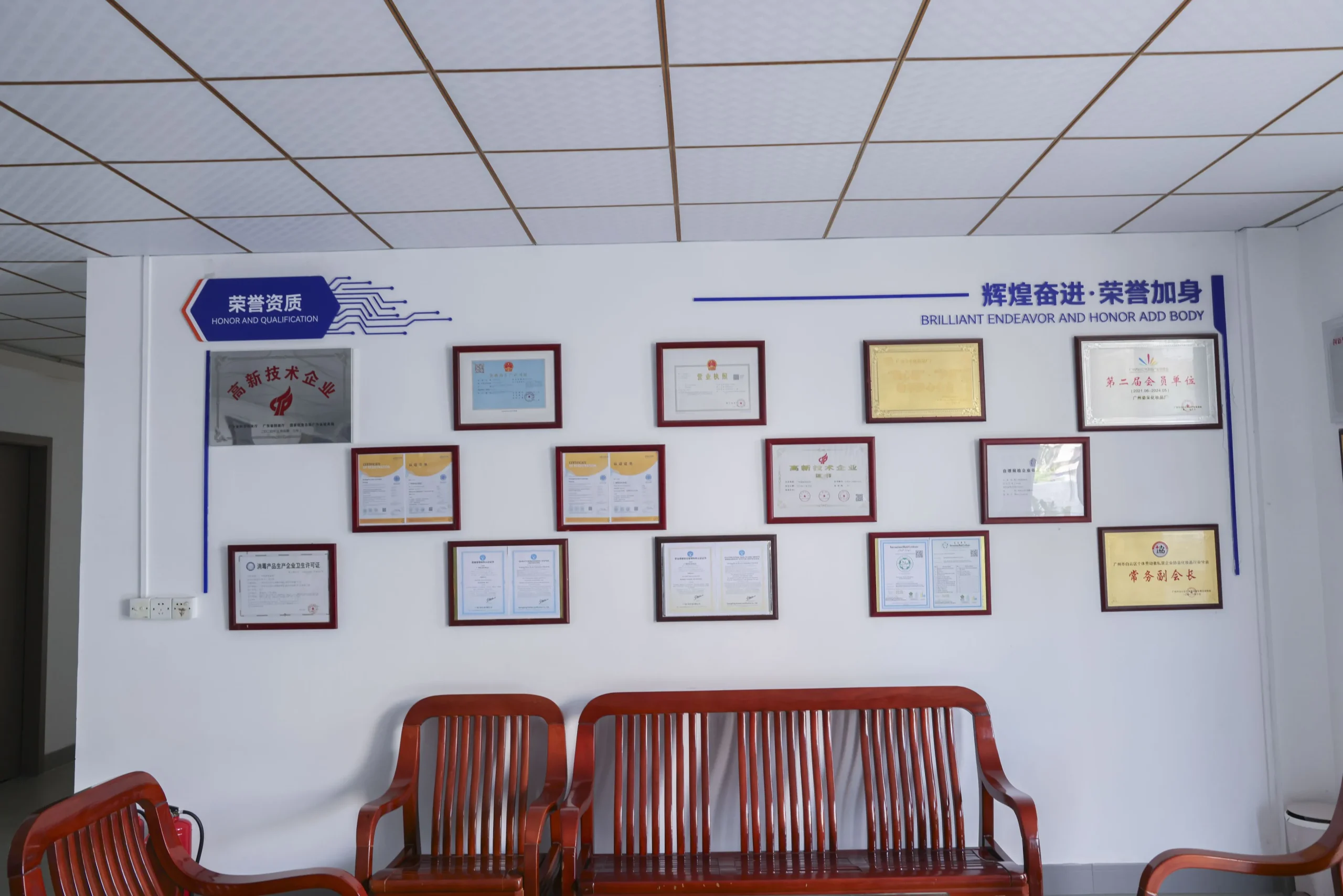
Testing and documentation are non-negotiable in sunscreen sourcing, whether you choose a local or China manufacturer. A good supplier should explain what testing support, documents, and market review steps may be needed.
Before choosing a supplier, confirm:
- SPF testing support: Ask how SPF claims are tested, supported, or coordinated through qualified labs.
- Broad-spectrum support: Confirm whether the manufacturer can support UVA/UVB-related testing or documentation.
- Water-resistant testing: If your sunscreen is for beach, sport, or swimming use, ask whether water-resistant testing can be supported.
- Stability review: Sunscreen formulas need stability review for texture, separation, color, odor, packaging compatibility, and performance over time.
- Documentation: Ask about COA, SDS/MSDS, test reports, ingredient lists, product specifications, and stability-related documents.
- Target market review: Rules differ by market. A formula for one region may not automatically fit another region’s sunscreen requirements.
Be cautious with vague phrases like “FDA approved formula” or “reef-safe sunscreen” unless the supplier can explain the formula, claims, ingredients, testing, and target market context clearly.
Communication, Lead Time, and Project Management

Distance matters, but project management matters more. A local manufacturer may offer easier communication, site visits, and faster physical review. A China manufacturer can still work well with clear export processes, English communication, organized sample confirmation, and strong timeline control.
Before starting, confirm:
- Sample timeline: Ask how long first samples and revised samples usually take.
- Revision process: Confirm how many rounds of formula, fragrance, texture, color, or packaging revisions are realistic.
- Packaging proof: Request label, box, and packaging proof before bulk production.
- Bulk lead time: Confirm when production starts after formula, packaging, and payment details are approved.
- Export documentation: Ask what shipping, invoice, packing list, and export documents can be provided.
- Project owner: Make sure one person or team is responsible for updates, timelines, and issue tracking.
Distance is manageable when the supplier has clear communication, documentation, and production planning. Without those, even a nearby supplier can cause delays.
Which Option Fits Your Brand Type?

Use these scenarios as a practical shortcut.
- New brand testing one sunscreen SKU: A China manufacturer may be practical if you need flexible MOQ, packaging support, and private label options. A local manufacturer can work if local positioning is central to your launch.
- DTC beauty brand building a full SPF line: China manufacturing is often stronger for SKU expansion across facial SPF, body SPF, tinted SPF, travel sizes, and different packaging formats.
- Premium brand focused on local-made positioning: A local manufacturer usually makes more sense if “made locally” is part of your brand value, retail story, or customer trust strategy.
- Brand needing strong packaging customization: China is often more attractive when packaging design, outer boxes, pumps, tubes, sticks, and multiple component options matter.
- Distributor or wholesaler needing scalable supply: China manufacturing can be a good fit when you need cost control, product variety, and repeatable bulk production.
- Brand selling in regulated markets: Either option can work. The key is not location alone, but whether the manufacturer can support testing, documentation, ingredient review, and target-market compliance planning.
See also:
Questions to Ask a Sunscreen Manufacturer Before You Start
How to Choose a Sunscreen Manufacturer for Your Brand
Red Flags on Both Sides
Local and China manufacturers can both be good partners, and both can create problems if they lack the right sunscreen experience. Watch for these warning signs before you commit.
- They cannot clearly explain SPF testing or broad-spectrum support.
- They make vague compliance claims without explaining the formula, testing, or target market.
- They cannot provide basic documentation such as COA, SDS/MSDS, test reports, or product specifications.
- MOQ, sample fees, retesting costs, or lead times are unclear.
- They do not review packaging compatibility before bulk production.
- They promise unrealistic delivery times for custom sunscreen development.
- They use loose claims like “reef-safe,” “FDA approved,” or “chemical-free” without clear support.
- They have no clear communication process, project owner, revision timeline, or approval workflow.
A good supplier should make the process clearer. If a manufacturer avoids direct answers on testing, documentation, or production limits, keep looking.
Looking for a China OEM/ODM Sunscreen Manufacturer?
Zicail supports private label sunscreen and OEM/ODM sunscreen manufacturing for brands that need flexible formula, packaging, and production support.
We help develop mineral, chemical, and hybrid sunscreen formulas, including daily facial SPF, body sunscreen, and tinted sunscreen. Our support includes custom formulation, packaging customization, sample development, and bulk production.
If your brand needs OEM/ODM flexibility and project support from concept to manufacturing, contact us to discuss your sunscreen project.


